
Caminando Fronteras presents the report Right to Life Monitoring 2025 in the Balearic Islands together with Fons Pitius de Cooperació

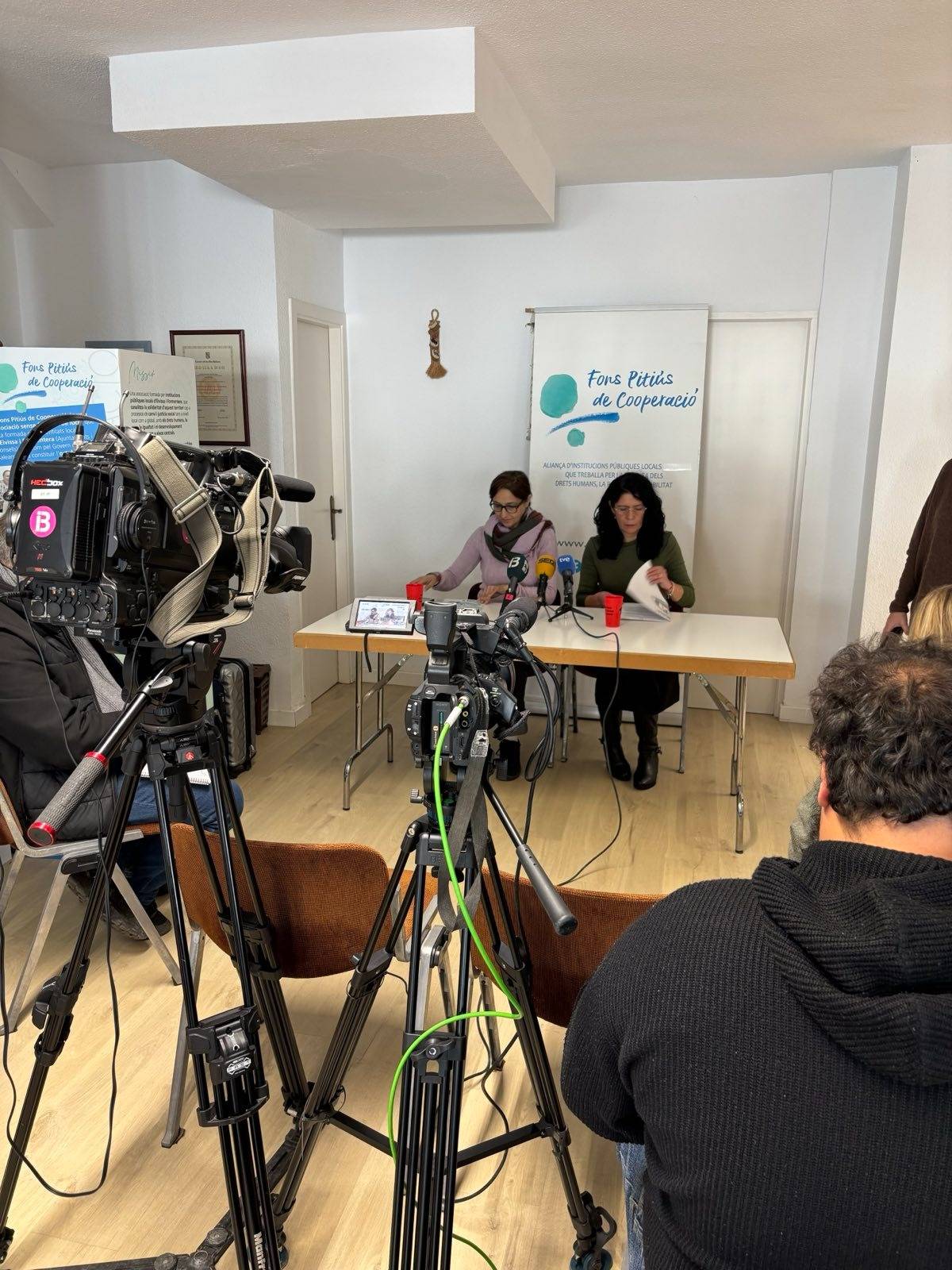
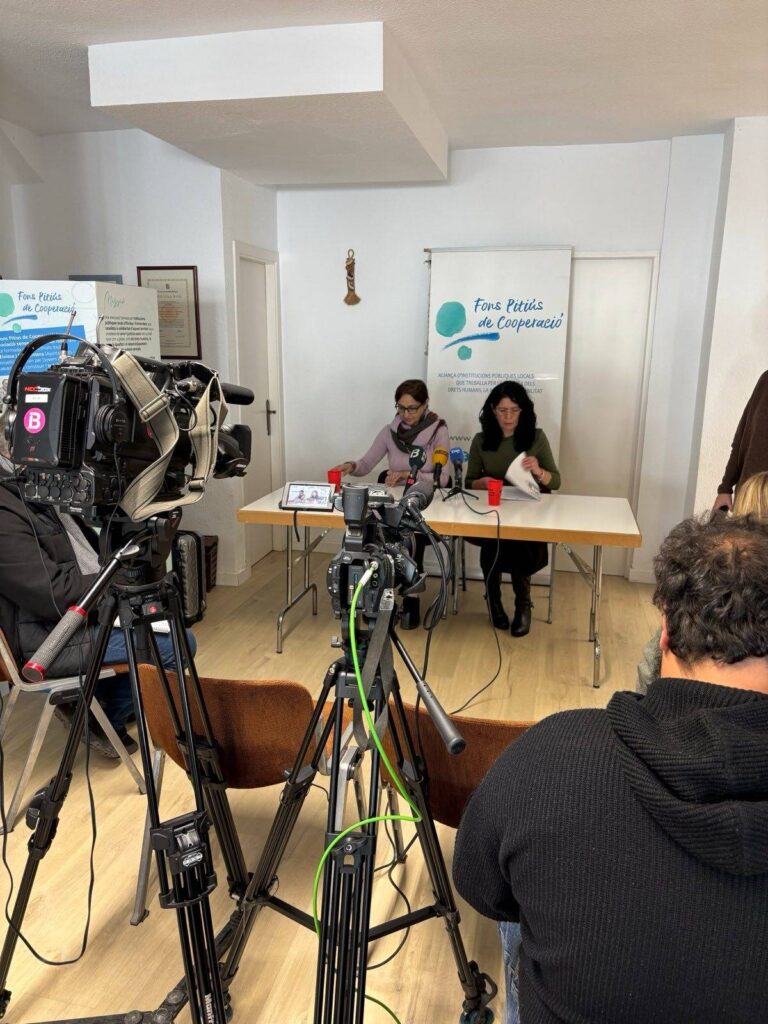
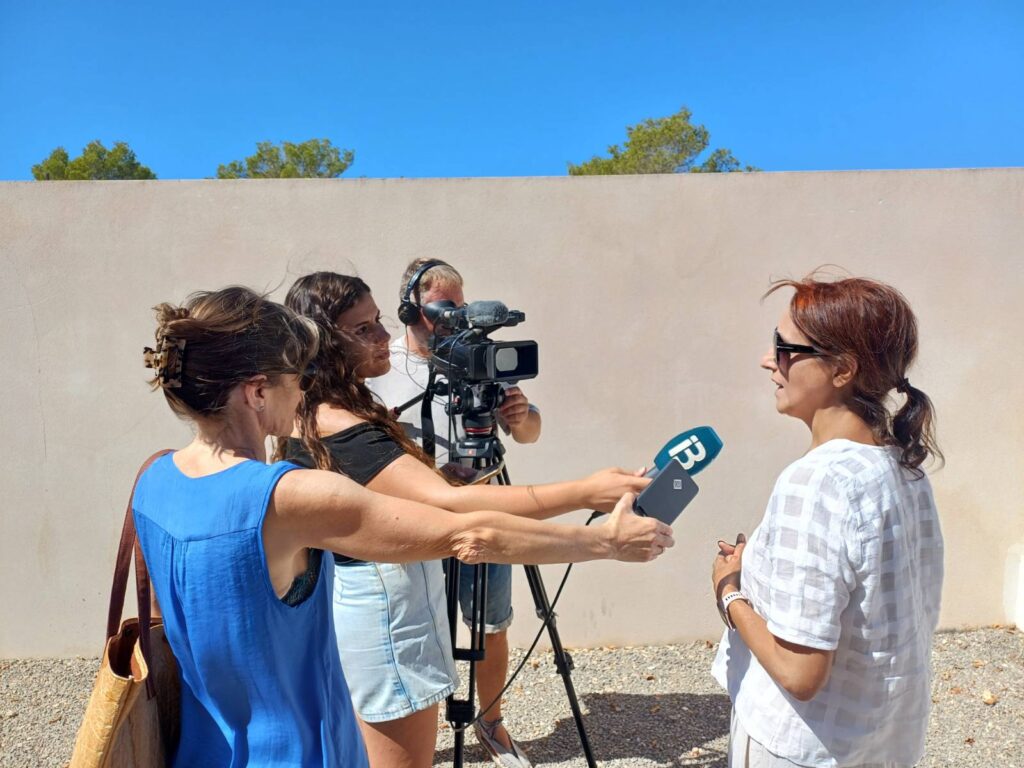
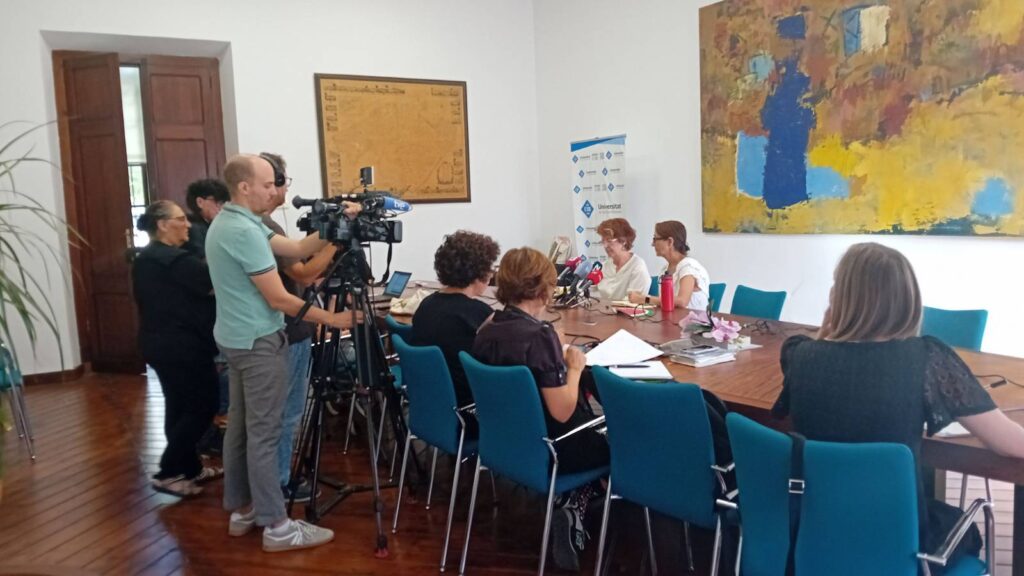
On 22 January, the Caminando Fronteras team was in Ibiza to present the report Right to Life Monitoring 2025 to media outlets, social organizations, and allied individuals, in an event organized together with Fons Pitius de Cooperació.

During the presentation, it was emphasized that the Algerian route has become the most frequently used migration crossing toward the Spanish State, surpassing the Atlantic route to the Canary Islands. Along this route, 1,037 victims have been documented, compared to 517 in 2024, in the context of 121 maritime tragedies. The journey from Algeria to the Balearic Islands — particularly to Ibiza and Formentera — is reaffirmed as one of the most dangerous due to the length and complexity of the crossing.

It is also one of the most opaque and institutionally invisibilized routes, which increases the lack of protection of the right to life, delays the activation of search and rescue systems, and highlights insufficient cooperation between countries.

The day included a press conference to share the main findings of the report and to analyze the impact of arrivals, the increase in tragedies, and the number of victims. In the afternoon, the report was presented in a meeting with civil society and allied organizations, creating a space for collective reflection in defense of the right to life and human rights.

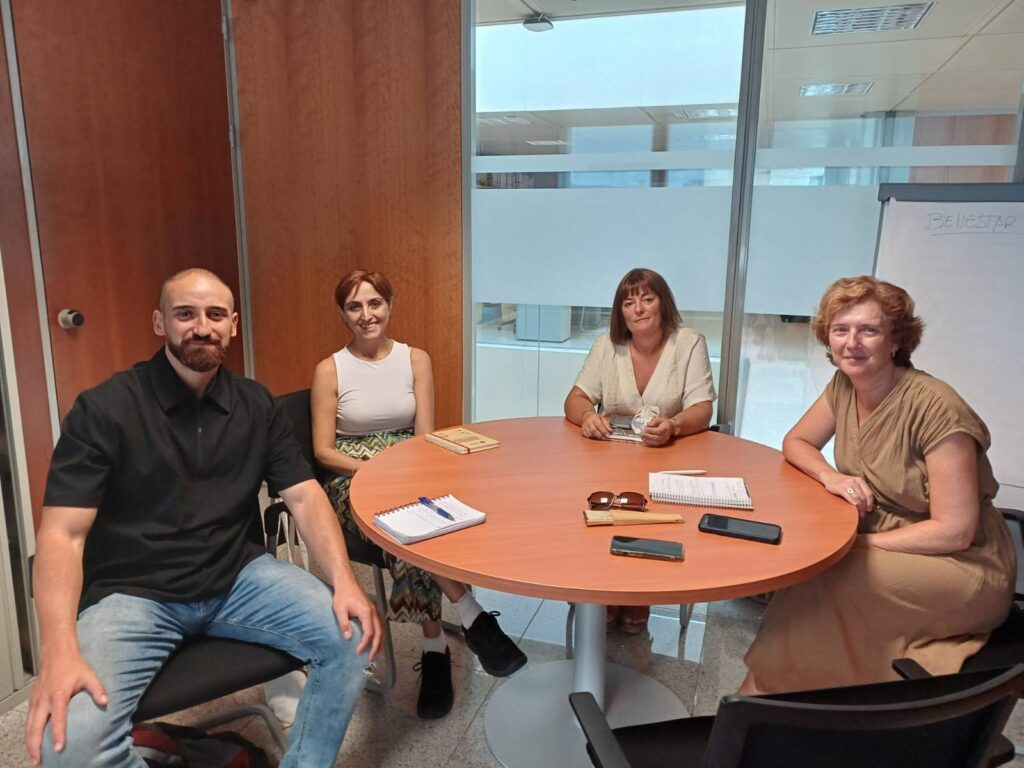
The mission also included a visit to Mallorca, where networking with organizations and institutions was strengthened. Several coordination meetings were held to share information on the current situation regarding arrivals to the Balearic Islands, the obstacles faced by families of missing or deceased persons, and the challenges in ensuring safe, rights-based search processes. Mechanisms to improve institutional coordination and emergency response at the border were also discussed.

Caminando Fronteras continues to work to defend the life, dignity, and human rights of all people on the move.

Invisible deaths at the border between Algeria and Morocco

Facts

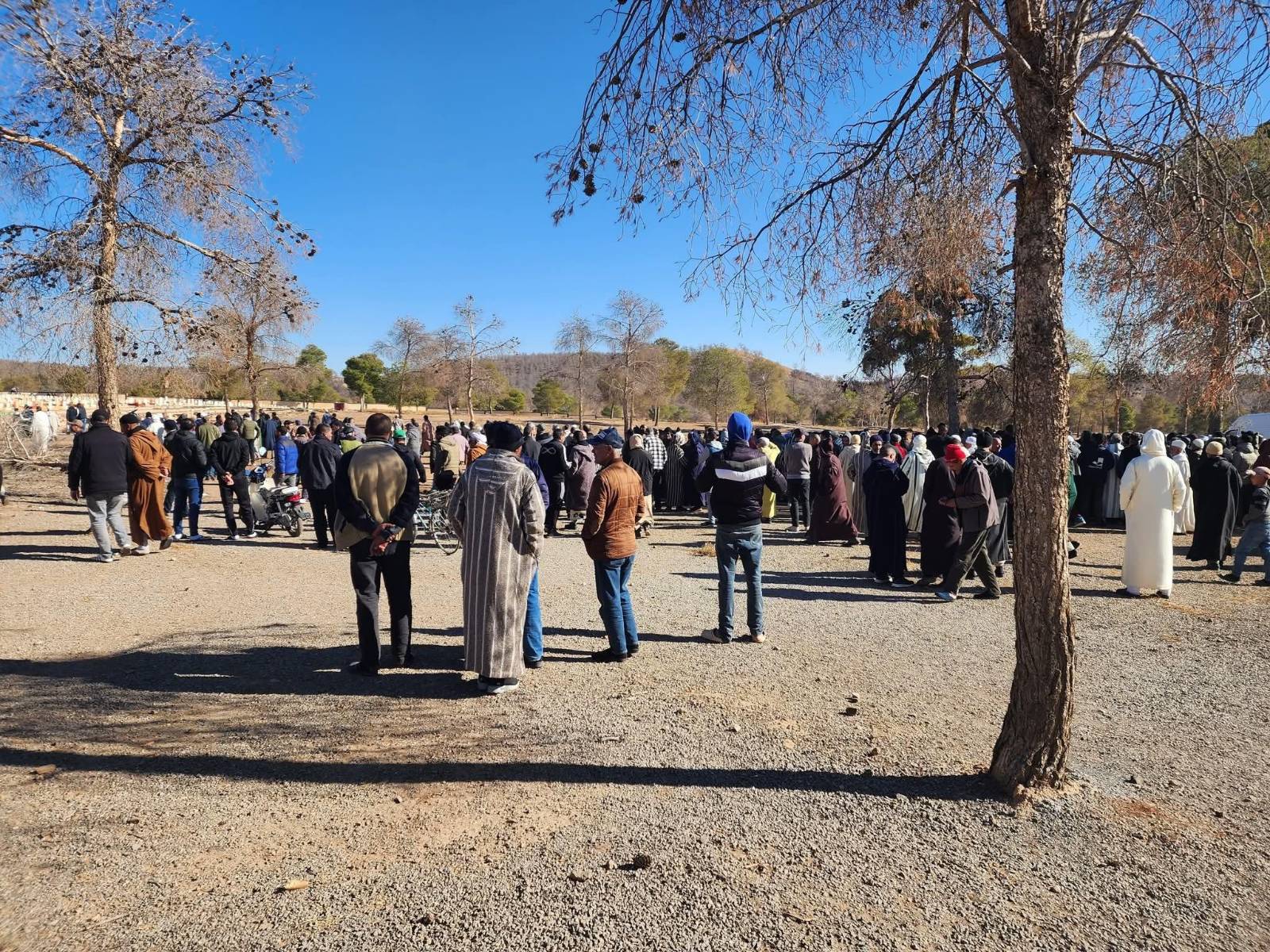
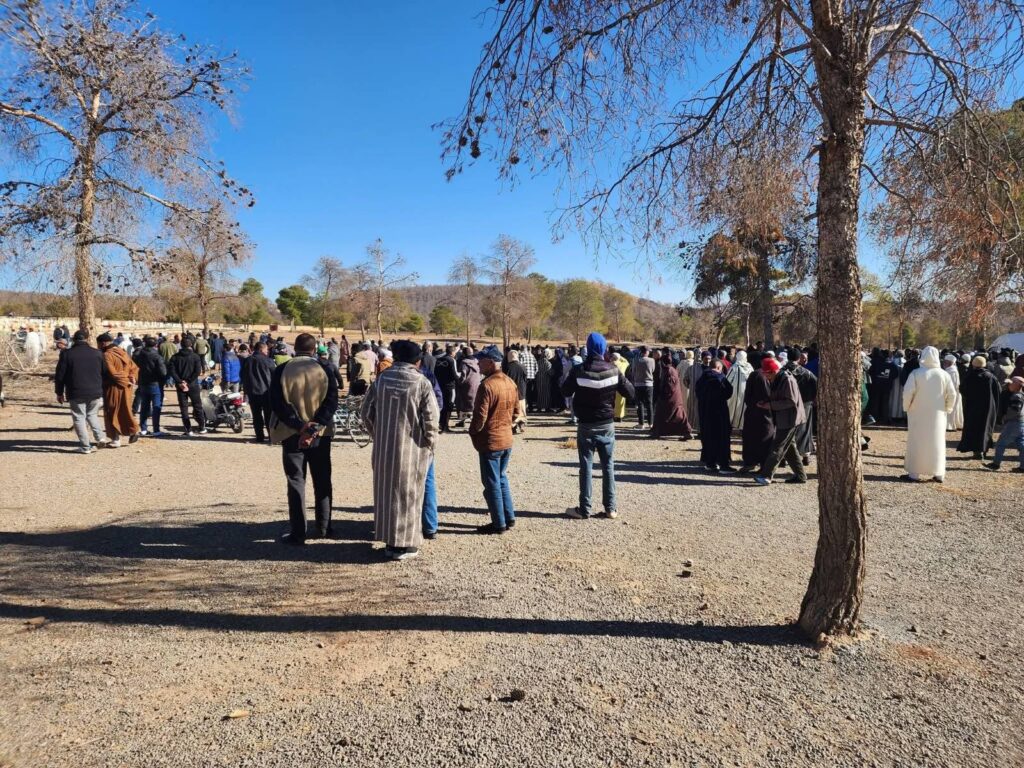
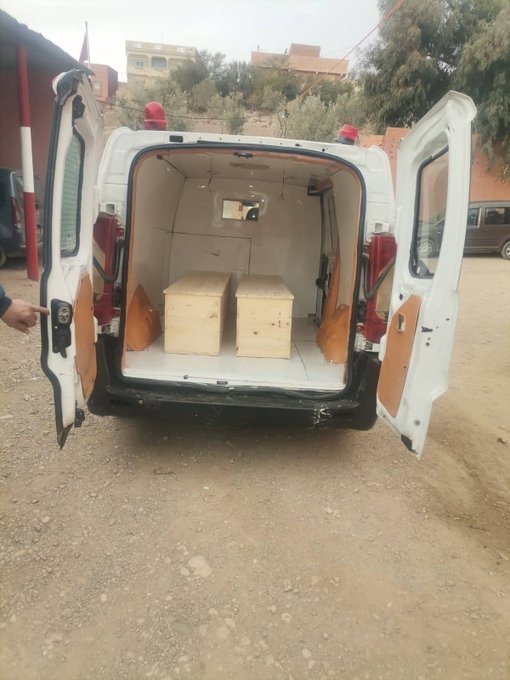
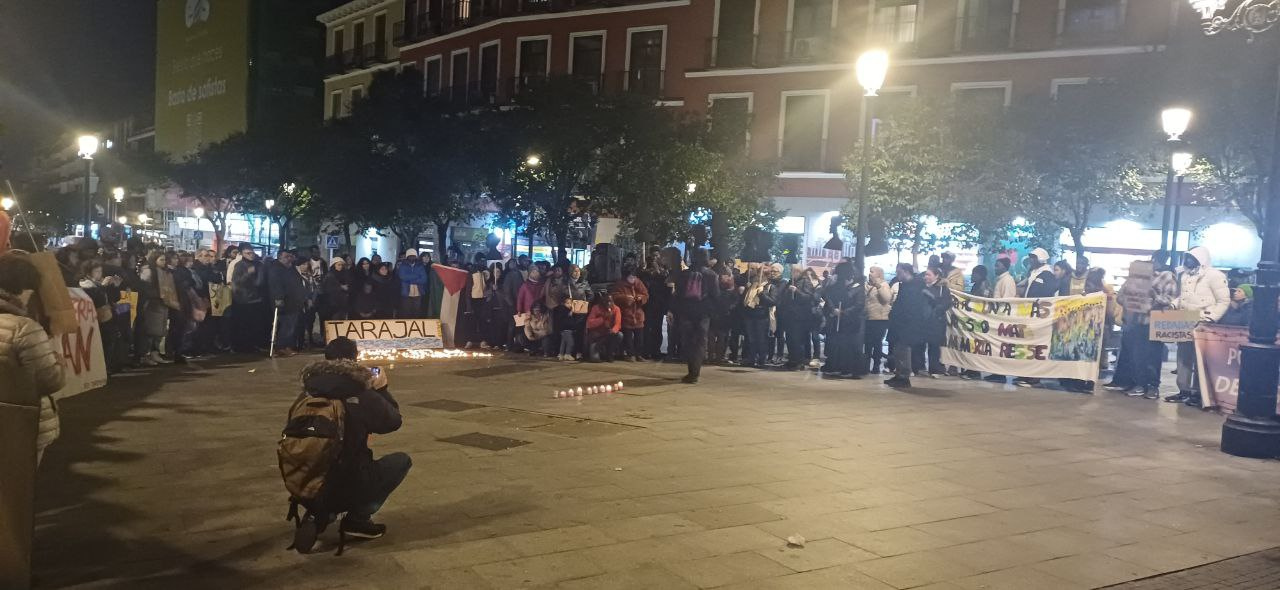
Between 3 and 18 December 2025, at least 14 migrant people from Guinea Conakry, Cameroon and Nigeria, including two women, died at the border between Algeria and Morocco due to extreme cold and hunger, according to reports by human rights organisations and migrant communities.

The bodies were found in Moroccan territory, in the area of Ras Asfour, near Toussit, in the province of Jerada. This is a mountainous, sparsely populated area that is particularly hostile during winter, with extremely low temperatures.

Social organisations report that these deaths occurred under conditions of extreme suffering. On the Algerian side of the border there is a trench approximately four metres wide and four metres deep, referred to by organisations as the trench of death. During winter, the trench fills with water due to rainfall and the overflow of nearby rivers. Migrant people are forced to cross it at night to avoid being detected by Algerian security forces, becoming trapped in mud, drowning or freezing to death, according to a statement by the Moroccan Association for Human Rights (AMDH). Only two of the bodies were identified by the Moroccan authorities, and eight people were buried in Jerada.

On 23 December, a new attempt to cross the border by more than 100 people, including women, children and adolescents, took place. Migrant people reported violence by Algerian authorities during that night. This horror was compounded by strict police control, the hostility of the terrain and extreme weather conditions.

A survivor testified:

“When we reached the fence, the Algerians detected us with their devices. Panic broke out. It was snowing heavily, people were falling, women, children. They were firing live ammunition. They stole our phones, our clothes, our shoes, so we couldn’t continue. We don’t know how many people died.”

Analysis

From Caminando Fronteras, we denounce that the borders of North Africa have become spaces of systematic violence. Migrant people are pushed from one country to another through practices of police violence and subcontracting processes resulting from the externalisation of borders.

In recent months, the departure of people fleeing Tunisia has turned Algeria into a territory of impunity, from which many are once again forced to flee in an attempt to reach Morocco. This constitutes a continuous forced displacement, in which people move from one border to another without protection or guarantees.

The externalisation of migration policies is transforming the borders of North Africa and the Sahel into genuine spaces of non-rights, where migrant people suffer human rights violations, are exposed to extreme climatic conditions, denied access to humanitarian assistance, and trapped in contexts of structural violence and institutional abandonment.

Caminando Fronteras strengthens its work on the Balearic Route amid growing arrivals and human rights challenges

Over the past few months, the Balearic Islands have become the most active migratory route in Spain, especially since last spring. At Caminando Fronteras, we are closely monitoring these changes and their impact on human rights.

Our work has focused on understanding the conditions of arrival and reception for people arriving in Ibiza, Formentera, and Mallorca. The diversity of profiles has increased, with a growing presence of people from the Horn of Africa, particularly Somalia and South Sudan. This new reality presents major challenges for the protection of human rights in the region, especially the right to asylum.

To strengthen collaboration and share information, we have held meetings with public institutions in Ibiza and Formentera, including authorities responsible for migration and child protection. Together, we have discussed the current situation and the main challenges in guaranteeing rights and dignity for all.

We also participated in the colloquium held alongside the exhibition “Històries de migracions. Eivissa i Formentera, terra de sortida i arribada”, where our colleague Maroan Fartahk reflected on the past and present of migration, underlining its human and continuous nature.

In collaboration with the University of the Balearic Islands and its Faculty of Nursing, Caminando Fronteras also contributed to the university microcredential “Care for Migrants upon Arrival”, focused on the health and support of newly arrived people. The event brought together our team, academic staff, and health professionals, including a doctor from the Canary Islands who shared best practices from that region.

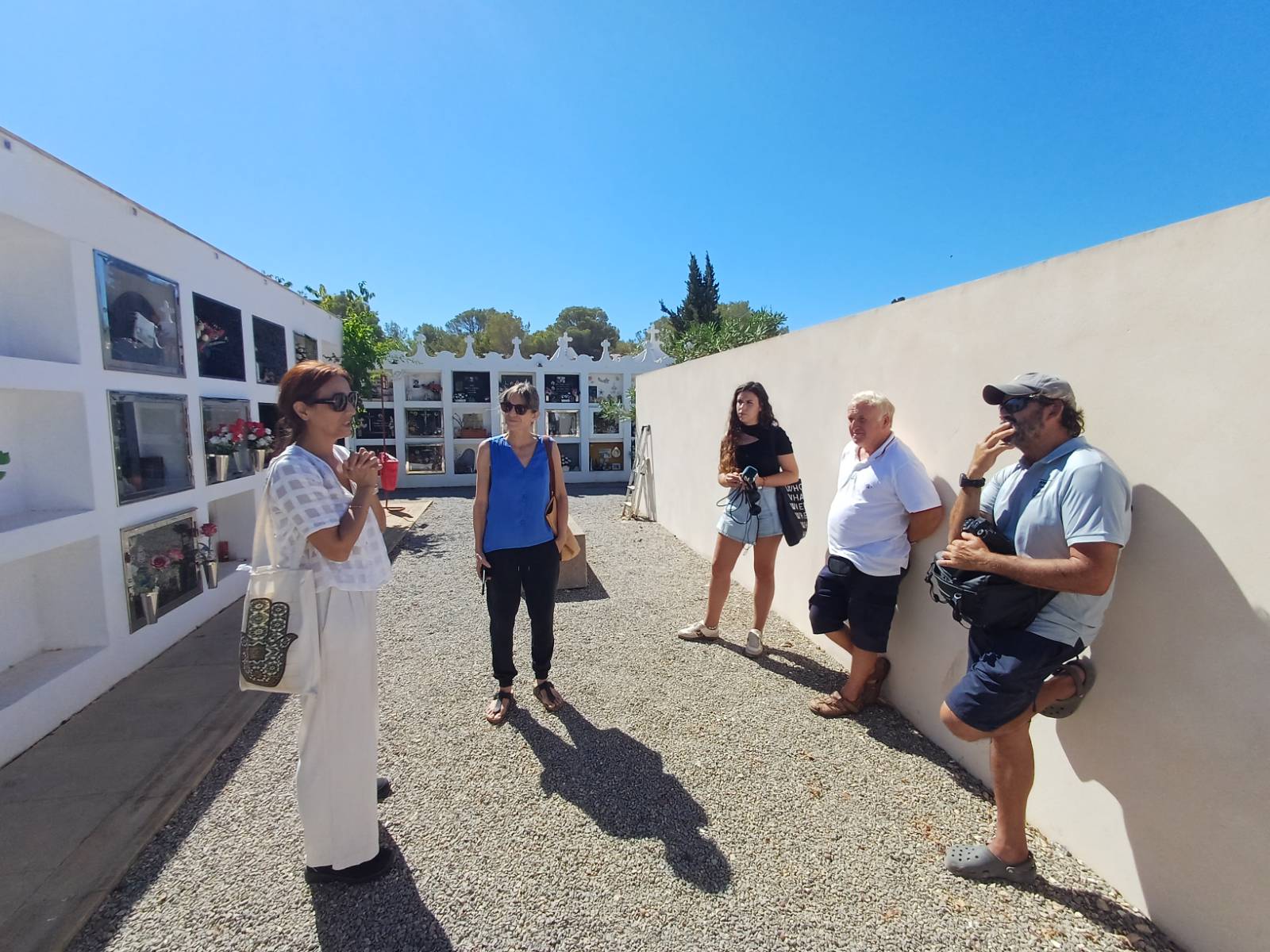
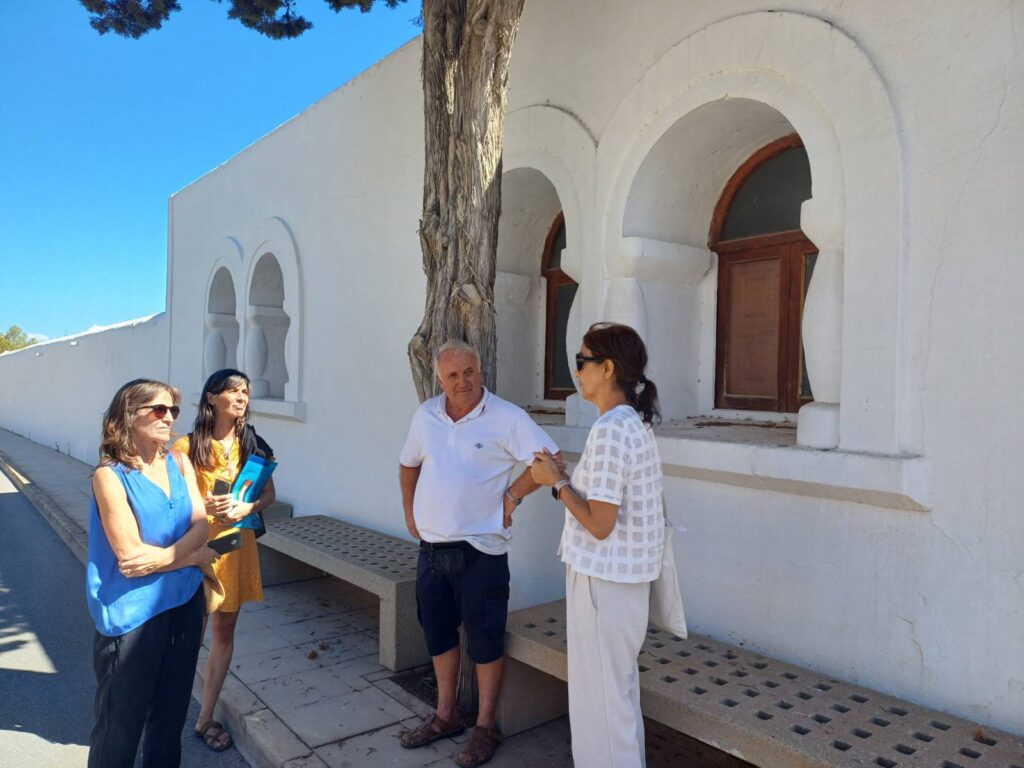
At the same time, we continue to accompany the families of those who have died or disappeared along the Balearic route. In recent months, we have visited the cemeteries of Sant Josep, Sant Jordi, Sant Francesc, Sant Agustí, and Formentera, where we observed a worrying increase in the number of recovered bodies—the highest recorded so far.

These visits have revealed serious challenges in ensuring dignified burials, spaces for Muslim individuals, and the identification of unnamed graves. All of this highlights the urgent need to support families searching for their loved ones.

At Caminando Fronteras, we reaffirm our commitment to defending life, dignity, and human rights. We stand beside both those who reach our shores and the families who continue to seek those who could not.

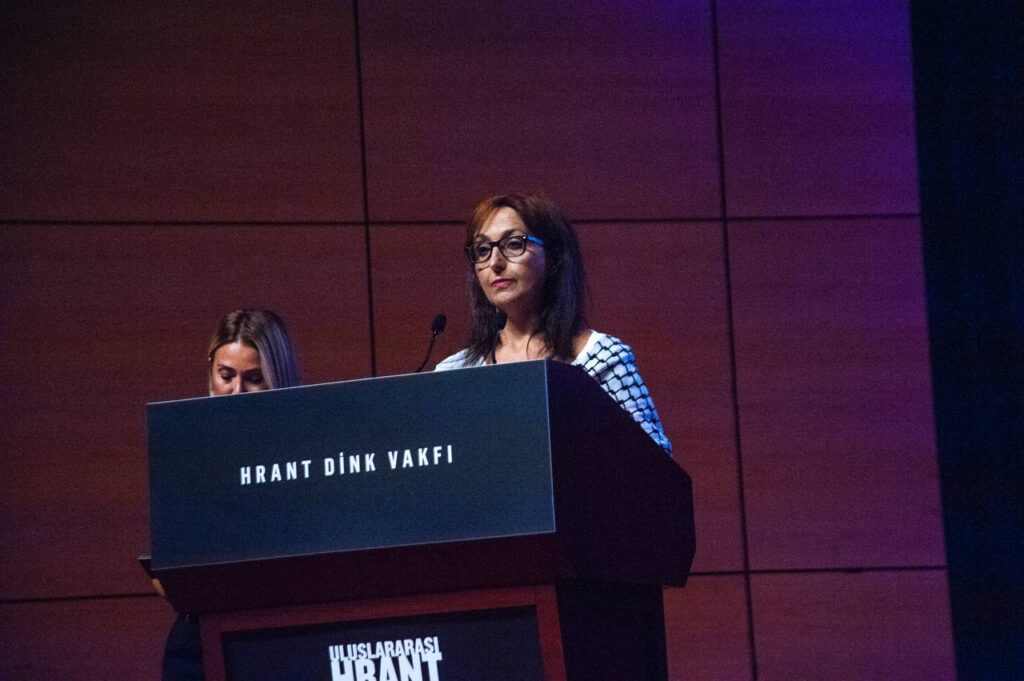
Helena Maleno Garzón Receives 2025 International Hrant Dink Award for Human Rights Advocacy

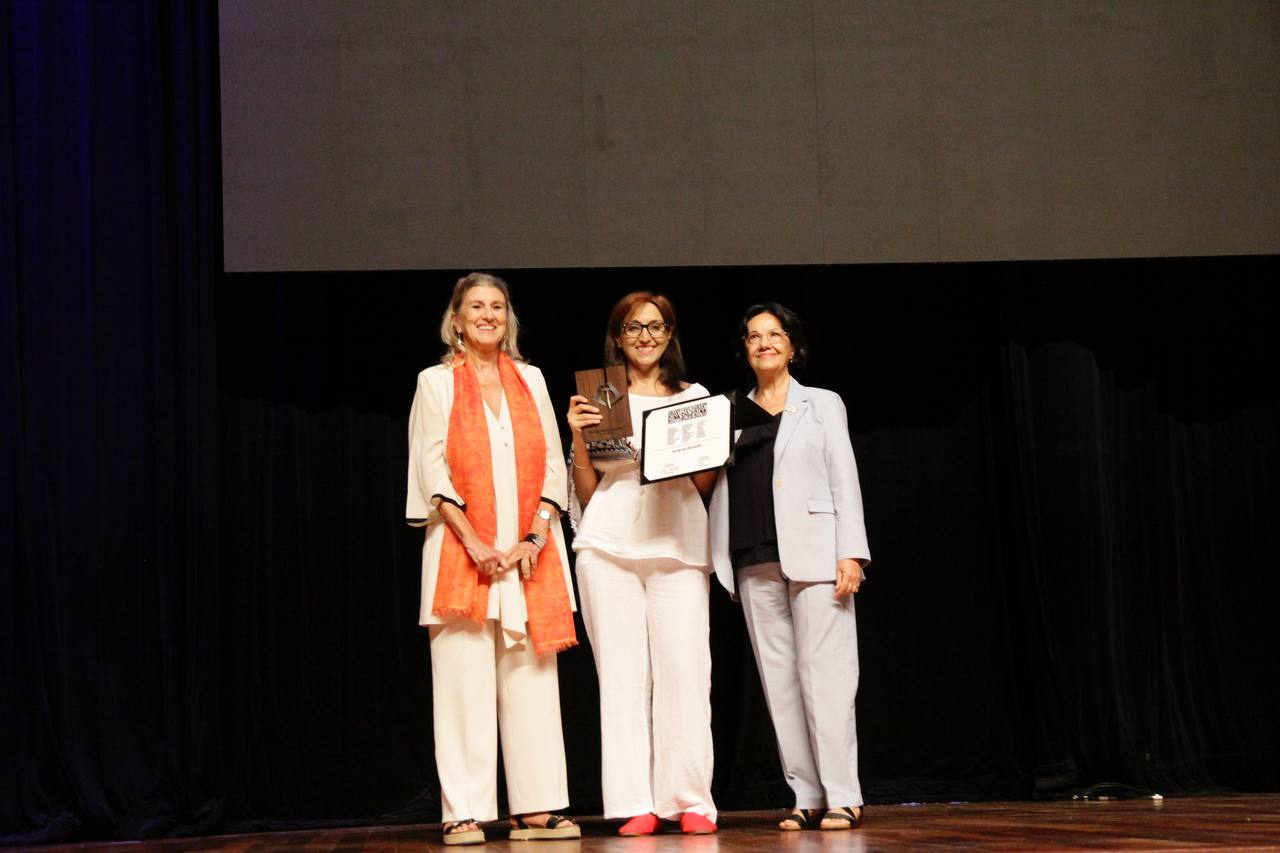
Helena Maleno recibiendo el Premio Internacional

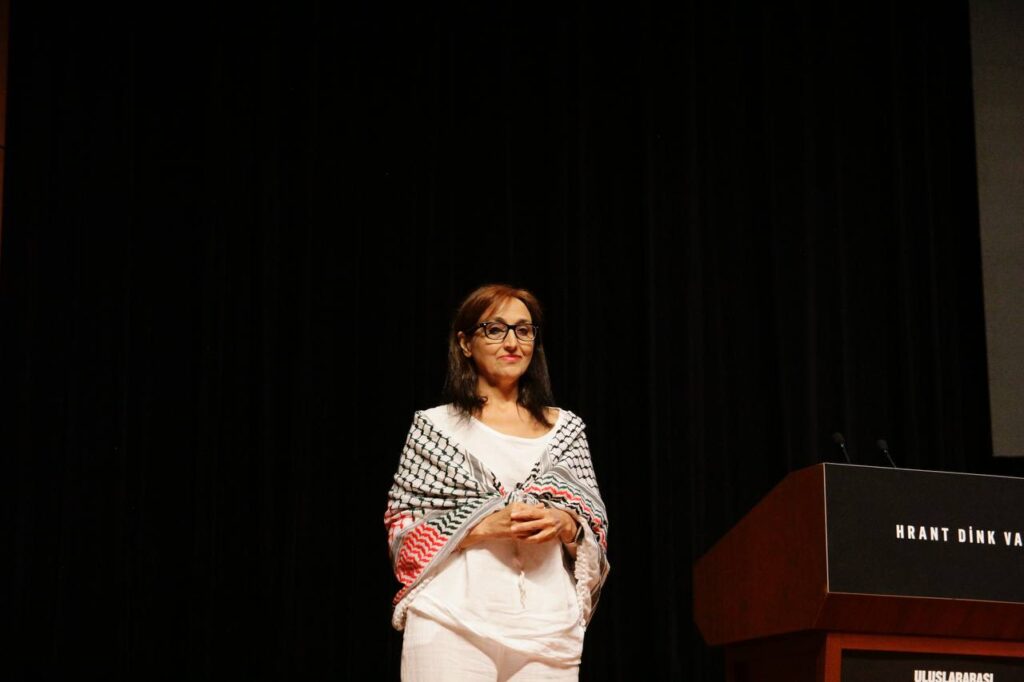
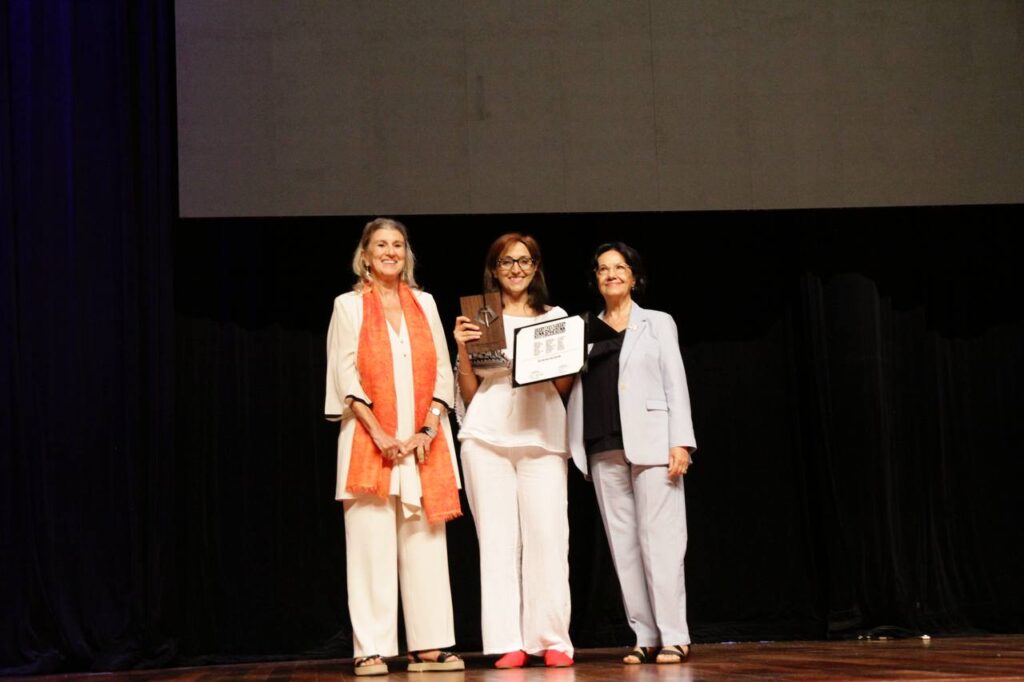
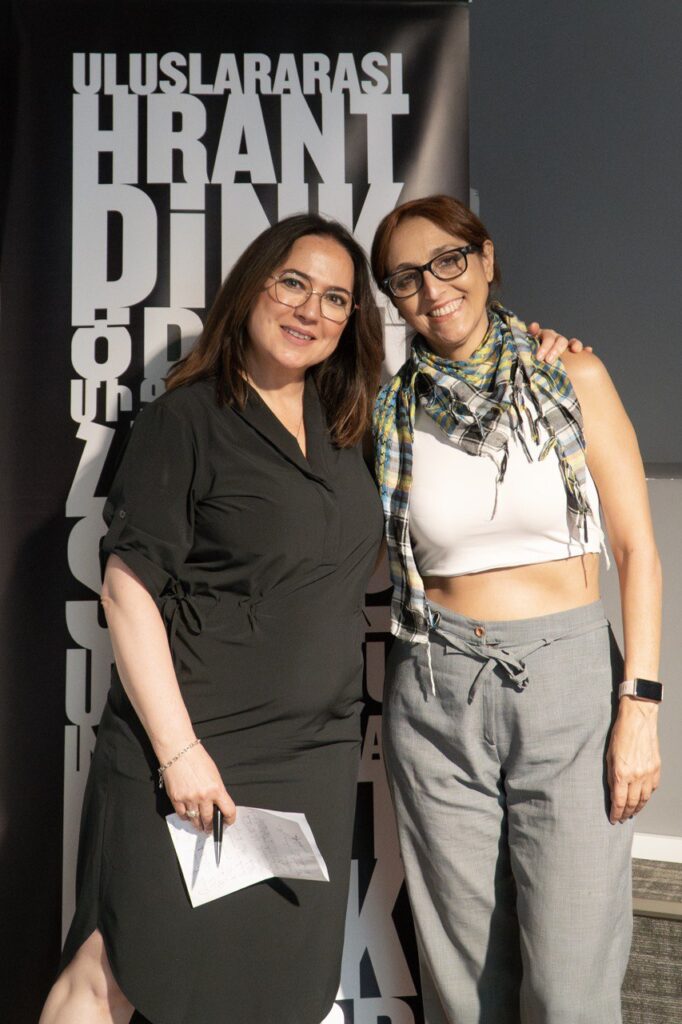
On Monday, September 15th, Helena Maleno was honored with the XVII International Hrant Dink Award. The award was announced during the ceremony held at the Lütfi Kırdar International Convention and Exhibition Centre in Istanbul, attended by 1,200 people.

Helena Maleno, founder of the Colectivo Caminando Fronteras, was recognized for dedicating her life to making visible the violence at borders and defending the human rights of migrants. For years, Helena has worked courageously to give voice to thousands of people struggling to survive on migration routes to Europe. As Ayşe Kadıoğlu recalled on behalf of the International Hrant Dink Award Committee, “we are here to applaud those who do not give up on human connection.”

Helena Maleno recibiendo el Premio Internacional

The national category award went to Bülent Şık for his work as a facilitator of technical and scientific information on issues such as food safety in a clear and concise manner.

During the ceremony, Rakel Dink, president of the Foundation that grants the award, addressed attendees defending the need for justice, especially for the most vulnerable, who suffer most when violence, harassment, resentment, and hatred grow.

Helena Maleno, in her acceptance speech, stated: “We are here to confront the racism that sustains the ideology behind death and suffering. We are here to honor the 31,258 people whose deaths our organization, Caminando Fronteras, has documented along the borders of Spain and Africa from 2018 to the present, and the thousands of people who lose their lives every day in border areas. Their memory sustains us. Because of them, we cannot surrender to despair or fear. Dignity is the path forward when the roots of life and solidarity are being attacked on so many fronts.”

Hrant Dink, a Turkish-Armenian journalist, was assassinated in 2007 for his defense of human rights, especially those affecting minorities, and for defending peace and harmony. Since then, on his birthday, the work of two people who fight for a more just world at national and international levels is recognized. The awardees are chosen for their dedication, their ability to inspire and give hope to people to continue fighting, and their commitment to working for a world free of discrimination, racism, and violence. Helena Maleno, like Hrant Dink, has taken personal risks to achieve these ideals, break stereotypes, and use the language of peace.

Awards like this commemorate struggles, connect the past with the present, but also create global networks of Resistance at a time of uncertainty and crisis of human rights worldwide.

Helena Maleno concluded her speech calling for an end to the genocide and Freedom for the Palestinian people.