
Caminando Fronteras presents the report Right to Life Monitoring 2025 in the Balearic Islands together with Fons Pitius de Cooperació

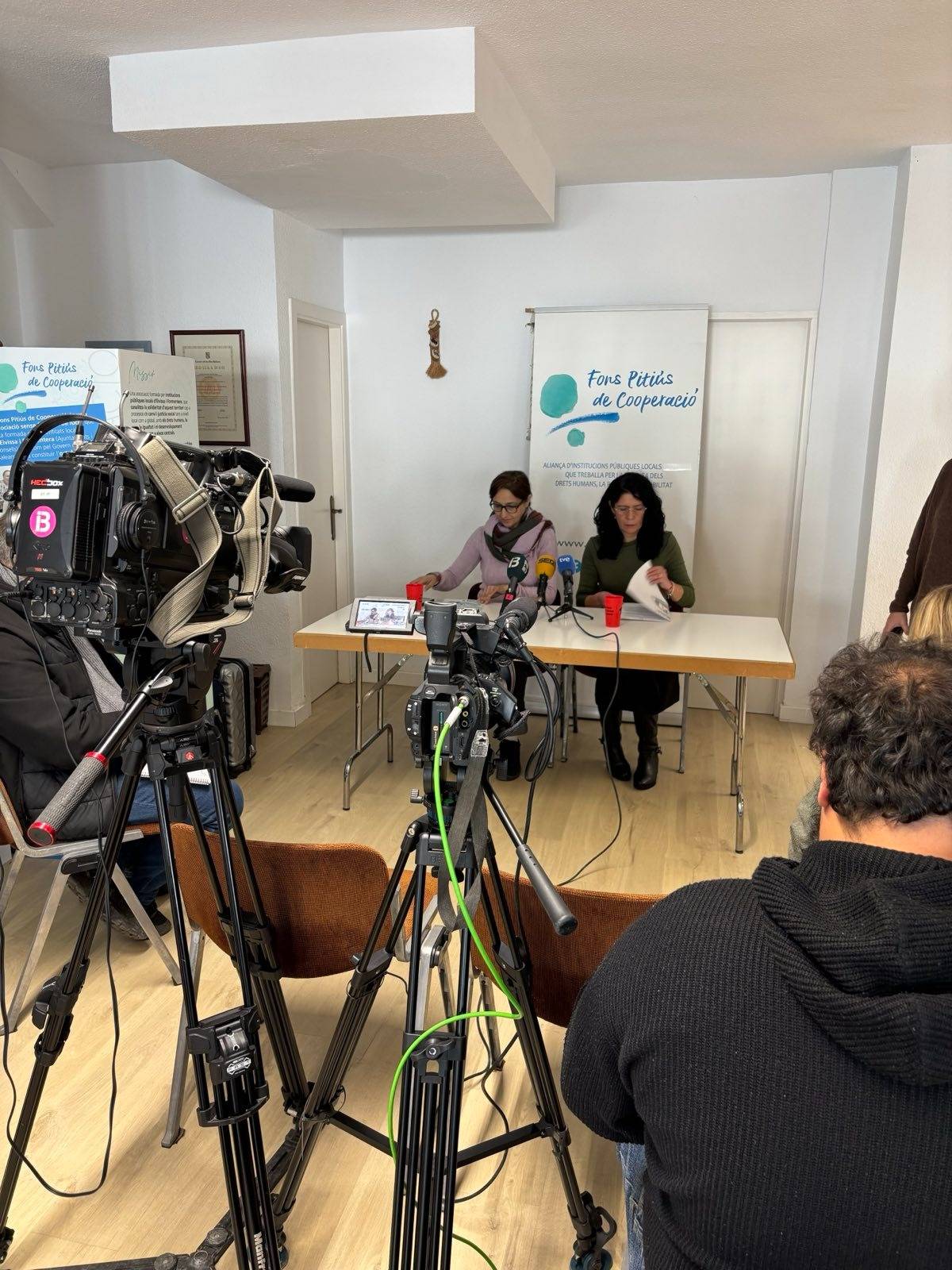
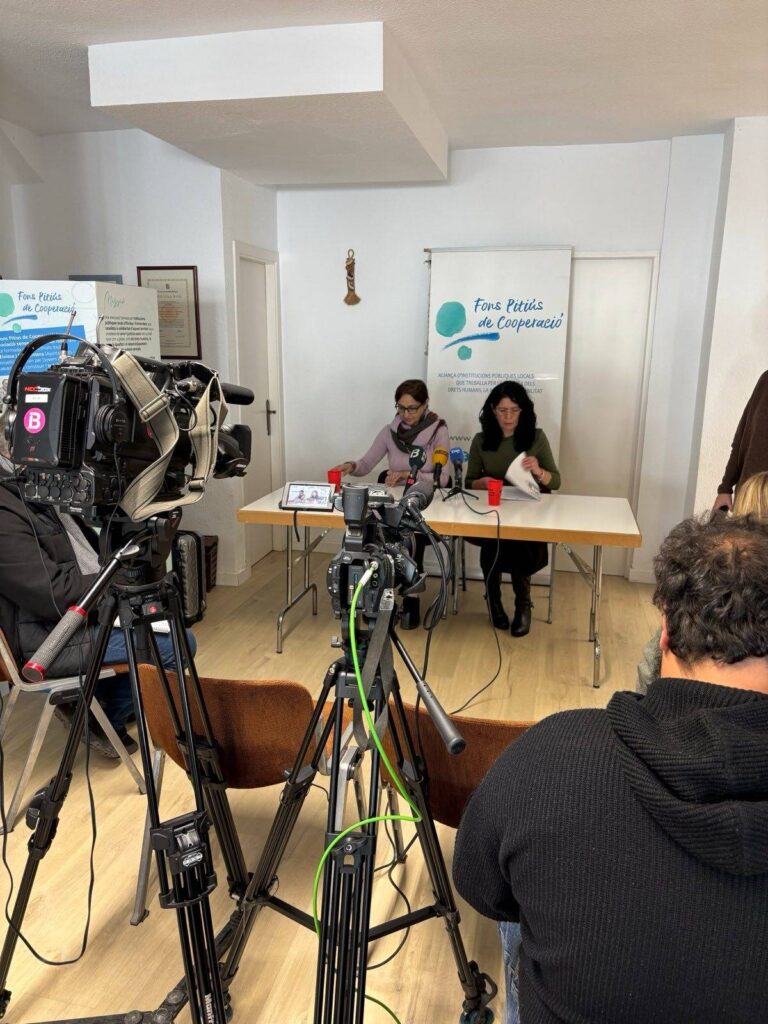
On 22 January, the Caminando Fronteras team was in Ibiza to present the report Right to Life Monitoring 2025 to media outlets, social organizations, and allied individuals, in an event organized together with Fons Pitius de Cooperació.

During the presentation, it was emphasized that the Algerian route has become the most frequently used migration crossing toward the Spanish State, surpassing the Atlantic route to the Canary Islands. Along this route, 1,037 victims have been documented, compared to 517 in 2024, in the context of 121 maritime tragedies. The journey from Algeria to the Balearic Islands — particularly to Ibiza and Formentera — is reaffirmed as one of the most dangerous due to the length and complexity of the crossing.
It is also one of the most opaque and institutionally invisibilized routes, which increases the lack of protection of the right to life, delays the activation of search and rescue systems, and highlights insufficient cooperation between countries.

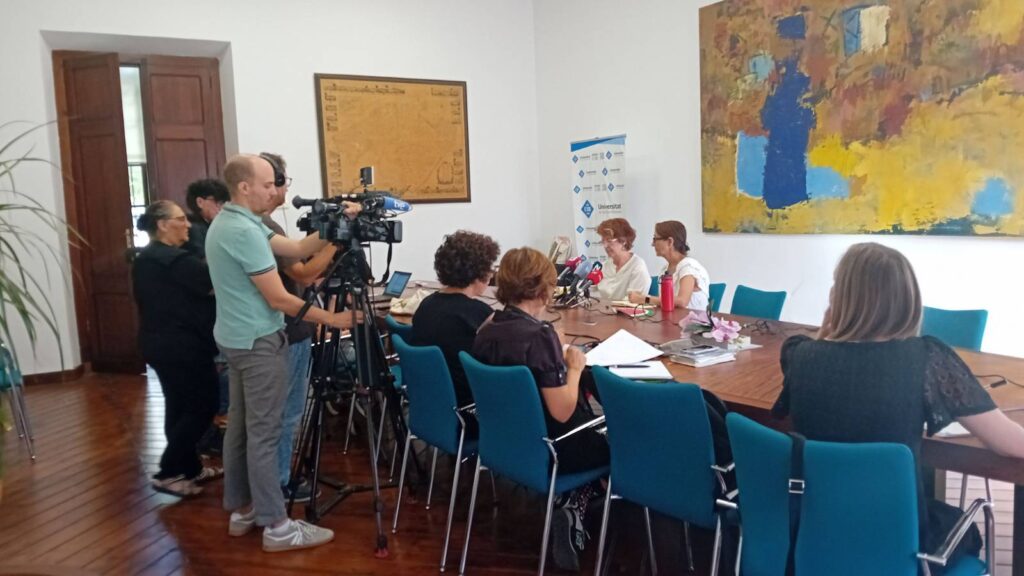
The day included a press conference to share the main findings of the report and to analyze the impact of arrivals, the increase in tragedies, and the number of victims. In the afternoon, the report was presented in a meeting with civil society and allied organizations, creating a space for collective reflection in defense of the right to life and human rights.

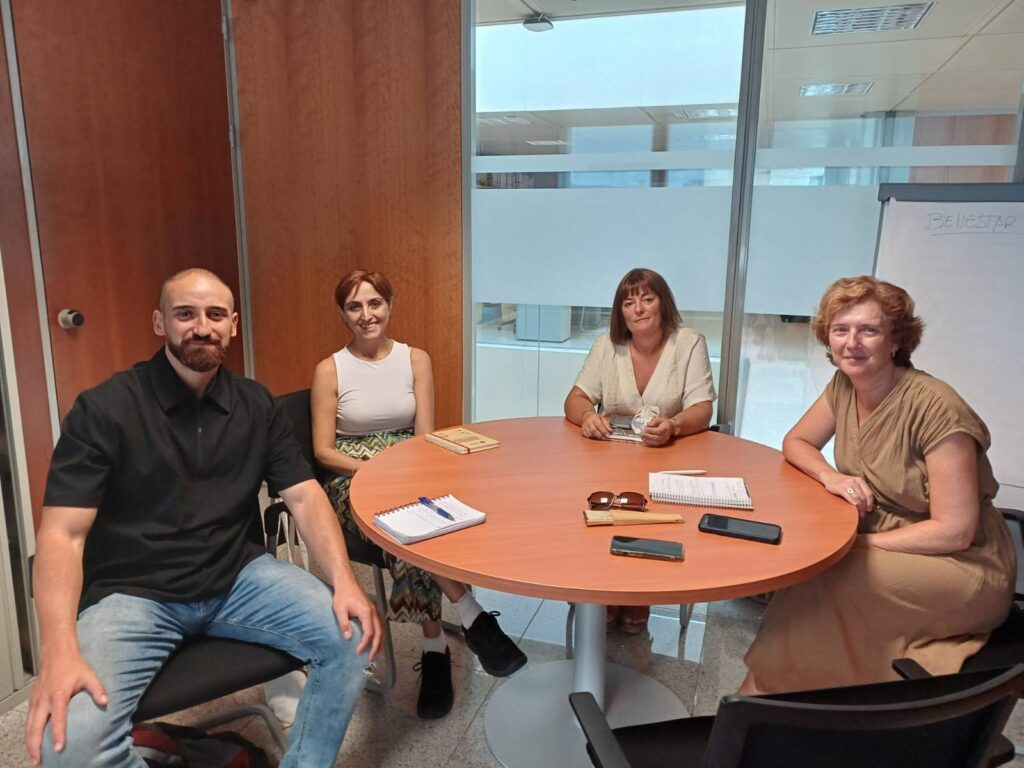
The mission also included a visit to Mallorca, where networking with organizations and institutions was strengthened. Several coordination meetings were held to share information on the current situation regarding arrivals to the Balearic Islands, the obstacles faced by families of missing or deceased persons, and the challenges in ensuring safe, rights-based search processes. Mechanisms to improve institutional coordination and emergency response at the border were also discussed.

Caminando Fronteras continues to work to defend the life, dignity, and human rights of all people on the move.
Caminando Fronteras strengthens its work on the Balearic Route amid growing arrivals and human rights challenges

Over the past few months, the Balearic Islands have become the most active migratory route in Spain, especially since last spring. At Caminando Fronteras, we are closely monitoring these changes and their impact on human rights.

Our work has focused on understanding the conditions of arrival and reception for people arriving in Ibiza, Formentera, and Mallorca. The diversity of profiles has increased, with a growing presence of people from the Horn of Africa, particularly Somalia and South Sudan. This new reality presents major challenges for the protection of human rights in the region, especially the right to asylum.

To strengthen collaboration and share information, we have held meetings with public institutions in Ibiza and Formentera, including authorities responsible for migration and child protection. Together, we have discussed the current situation and the main challenges in guaranteeing rights and dignity for all.

We also participated in the colloquium held alongside the exhibition “Històries de migracions. Eivissa i Formentera, terra de sortida i arribada”, where our colleague Maroan Fartahk reflected on the past and present of migration, underlining its human and continuous nature.

In collaboration with the University of the Balearic Islands and its Faculty of Nursing, Caminando Fronteras also contributed to the university microcredential “Care for Migrants upon Arrival”, focused on the health and support of newly arrived people. The event brought together our team, academic staff, and health professionals, including a doctor from the Canary Islands who shared best practices from that region.

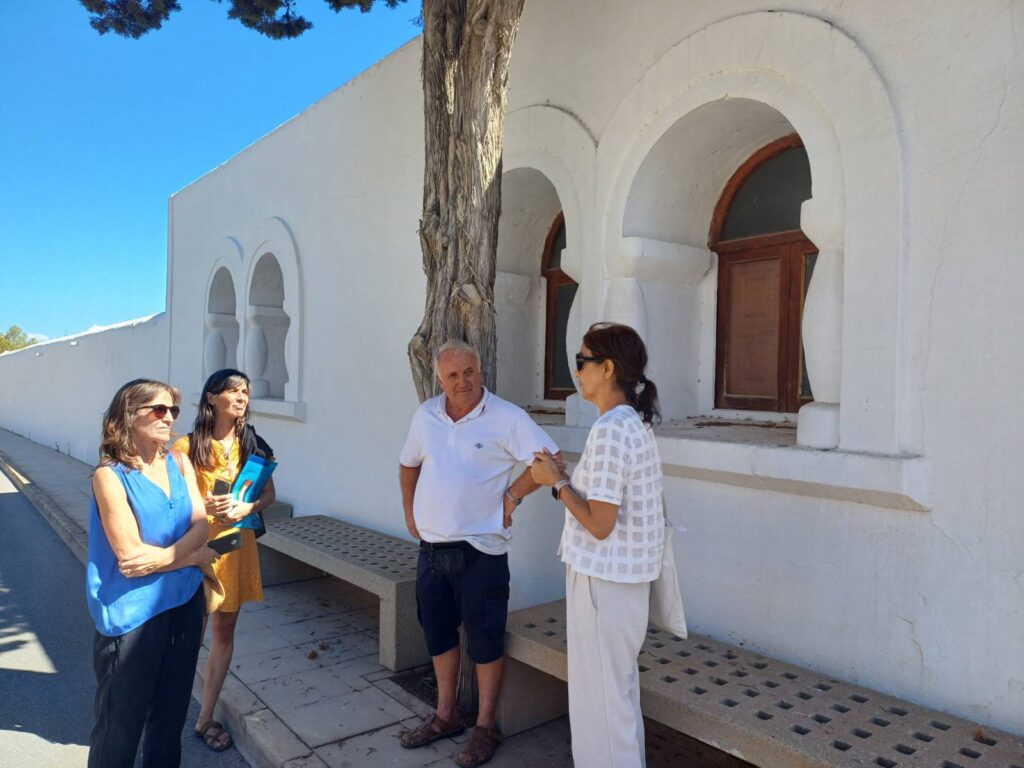
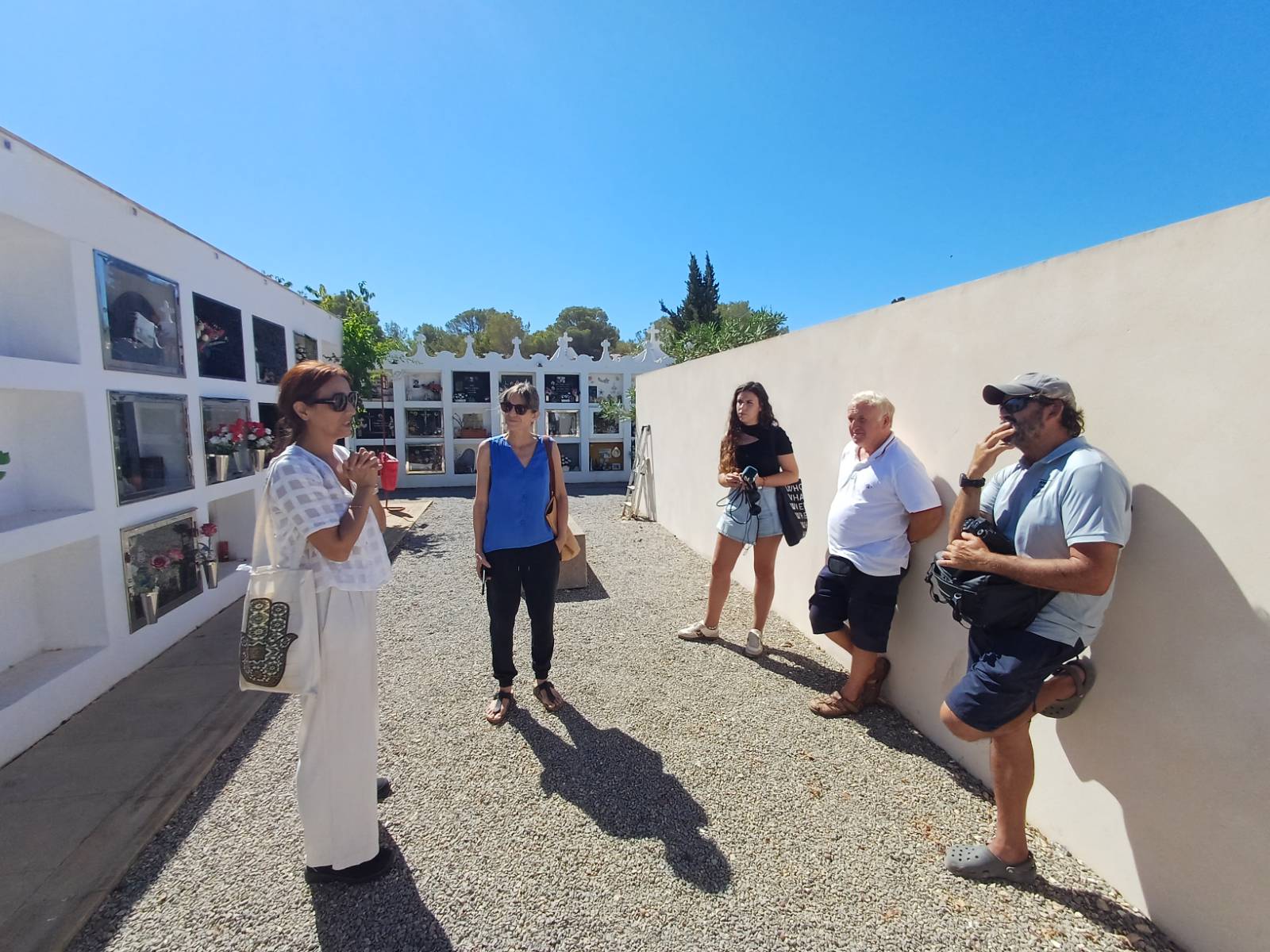
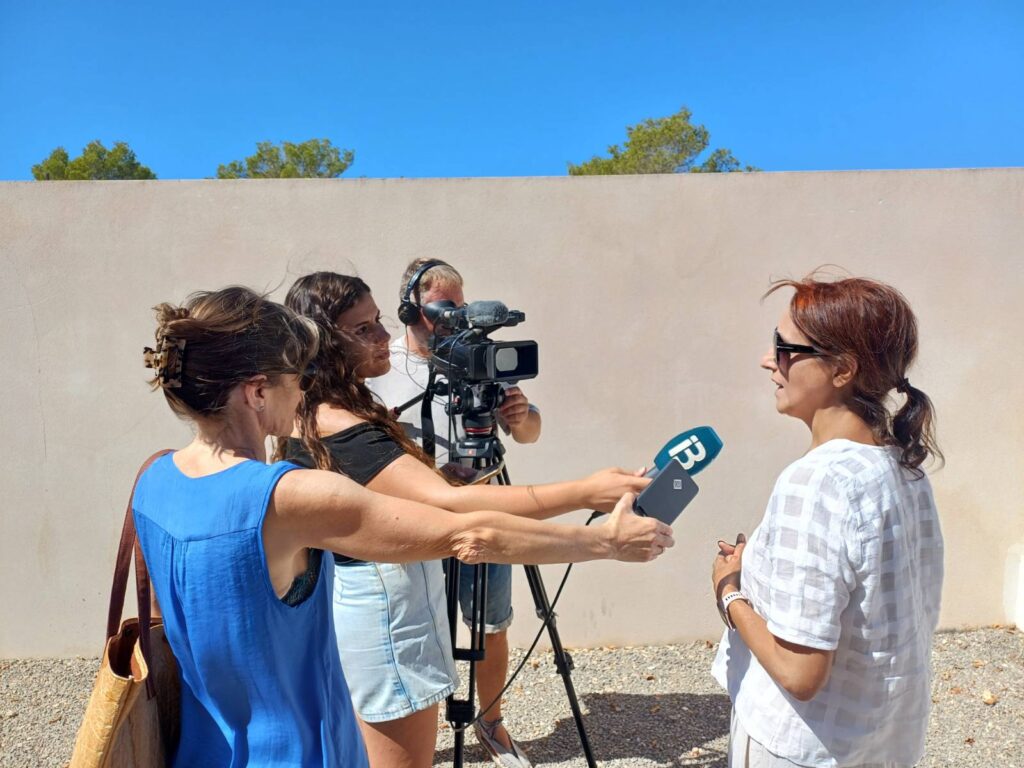
At the same time, we continue to accompany the families of those who have died or disappeared along the Balearic route. In recent months, we have visited the cemeteries of Sant Josep, Sant Jordi, Sant Francesc, Sant Agustí, and Formentera, where we observed a worrying increase in the number of recovered bodies—the highest recorded so far.

These visits have revealed serious challenges in ensuring dignified burials, spaces for Muslim individuals, and the identification of unnamed graves. All of this highlights the urgent need to support families searching for their loved ones.

At Caminando Fronteras, we reaffirm our commitment to defending life, dignity, and human rights. We stand beside both those who reach our shores and the families who continue to seek those who could not.