

Facts
Between 3 and 18 December 2025, at least 14 migrant people from Guinea Conakry, Cameroon and Nigeria, including two women, died at the border between Algeria and Morocco due to extreme cold and hunger, according to reports by human rights organisations and migrant communities.
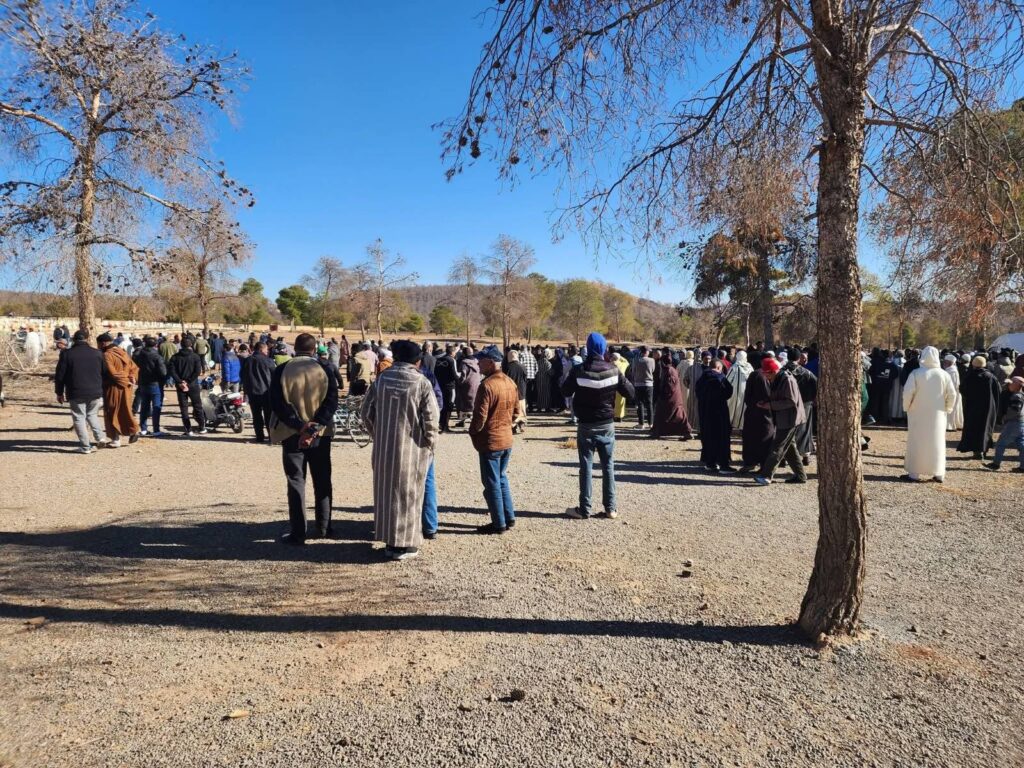
The bodies were found in Moroccan territory, in the area of Ras Asfour, near Toussit, in the province of Jerada. This is a mountainous, sparsely populated area that is particularly hostile during winter, with extremely low temperatures.
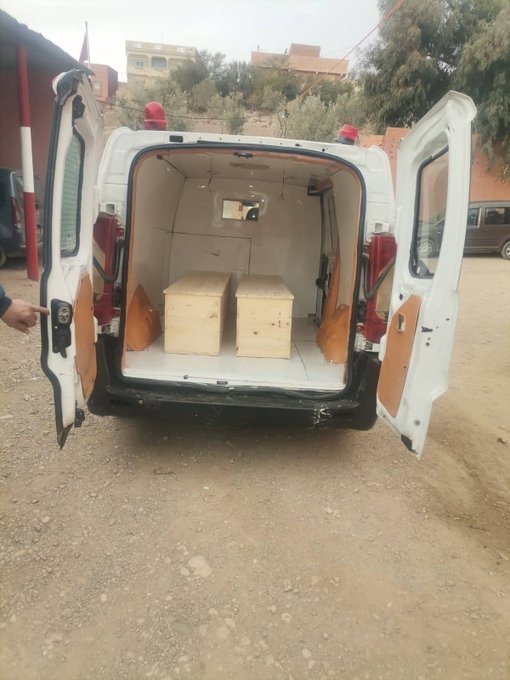
Social organisations report that these deaths occurred under conditions of extreme suffering. On the Algerian side of the border there is a trench approximately four metres wide and four metres deep, referred to by organisations as the trench of death. During winter, the trench fills with water due to rainfall and the overflow of nearby rivers. Migrant people are forced to cross it at night to avoid being detected by Algerian security forces, becoming trapped in mud, drowning or freezing to death, according to a statement by the Moroccan Association for Human Rights (AMDH). Only two of the bodies were identified by the Moroccan authorities, and eight people were buried in Jerada.
On 23 December, a new attempt to cross the border by more than 100 people, including women, children and adolescents, took place. Migrant people reported violence by Algerian authorities during that night. This horror was compounded by strict police control, the hostility of the terrain and extreme weather conditions.
A survivor testified:
“When we reached the fence, the Algerians detected us with their devices. Panic broke out. It was snowing heavily, people were falling, women, children. They were firing live ammunition. They stole our phones, our clothes, our shoes, so we couldn’t continue. We don’t know how many people died.”
Analysis
From Caminando Fronteras, we denounce that the borders of North Africa have become spaces of systematic violence. Migrant people are pushed from one country to another through practices of police violence and subcontracting processes resulting from the externalisation of borders.
In recent months, the departure of people fleeing Tunisia has turned Algeria into a territory of impunity, from which many are once again forced to flee in an attempt to reach Morocco. This constitutes a continuous forced displacement, in which people move from one border to another without protection or guarantees.
The externalisation of migration policies is transforming the borders of North Africa and the Sahel into genuine spaces of non-rights, where migrant people suffer human rights violations, are exposed to extreme climatic conditions, denied access to humanitarian assistance, and trapped in contexts of structural violence and institutional abandonment.