

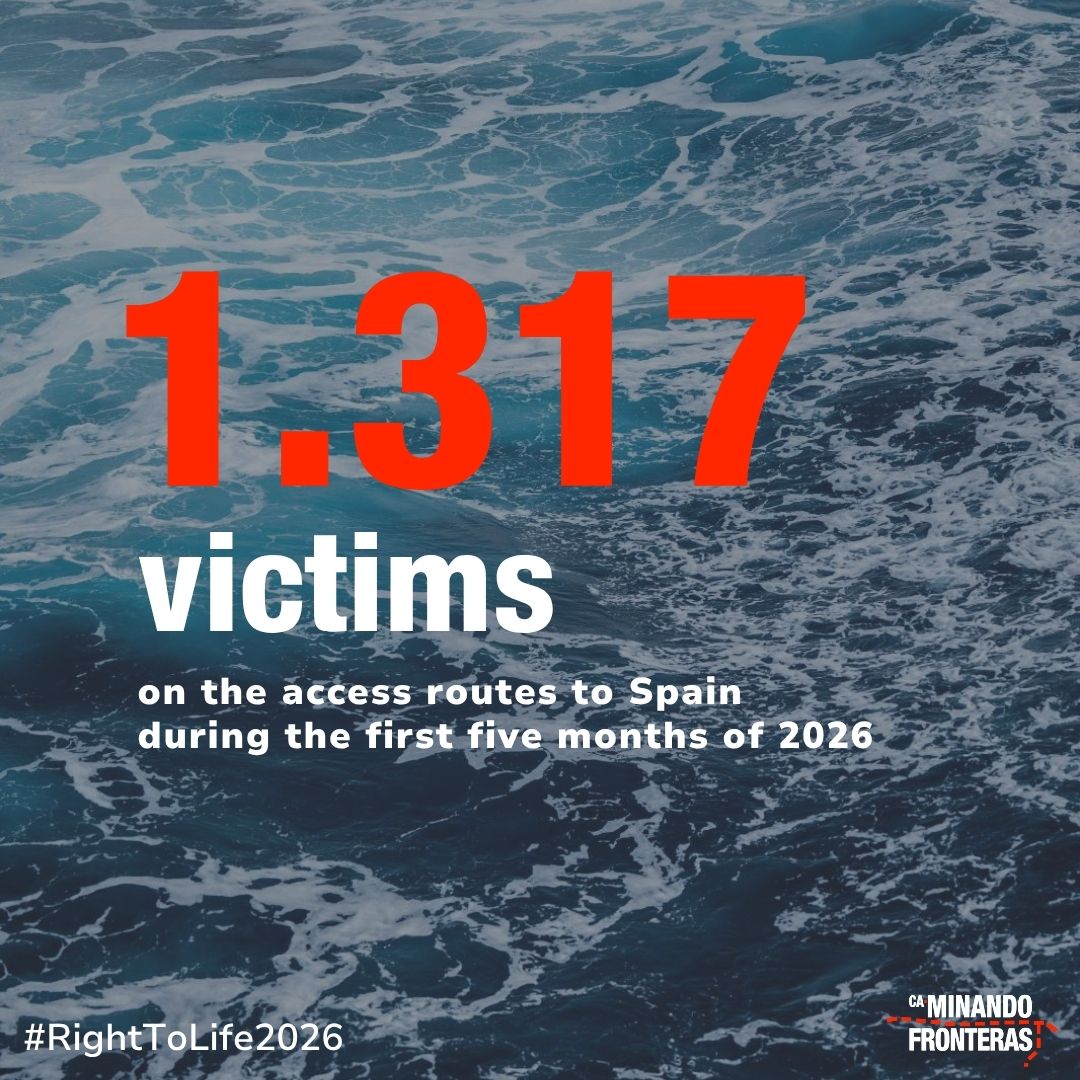
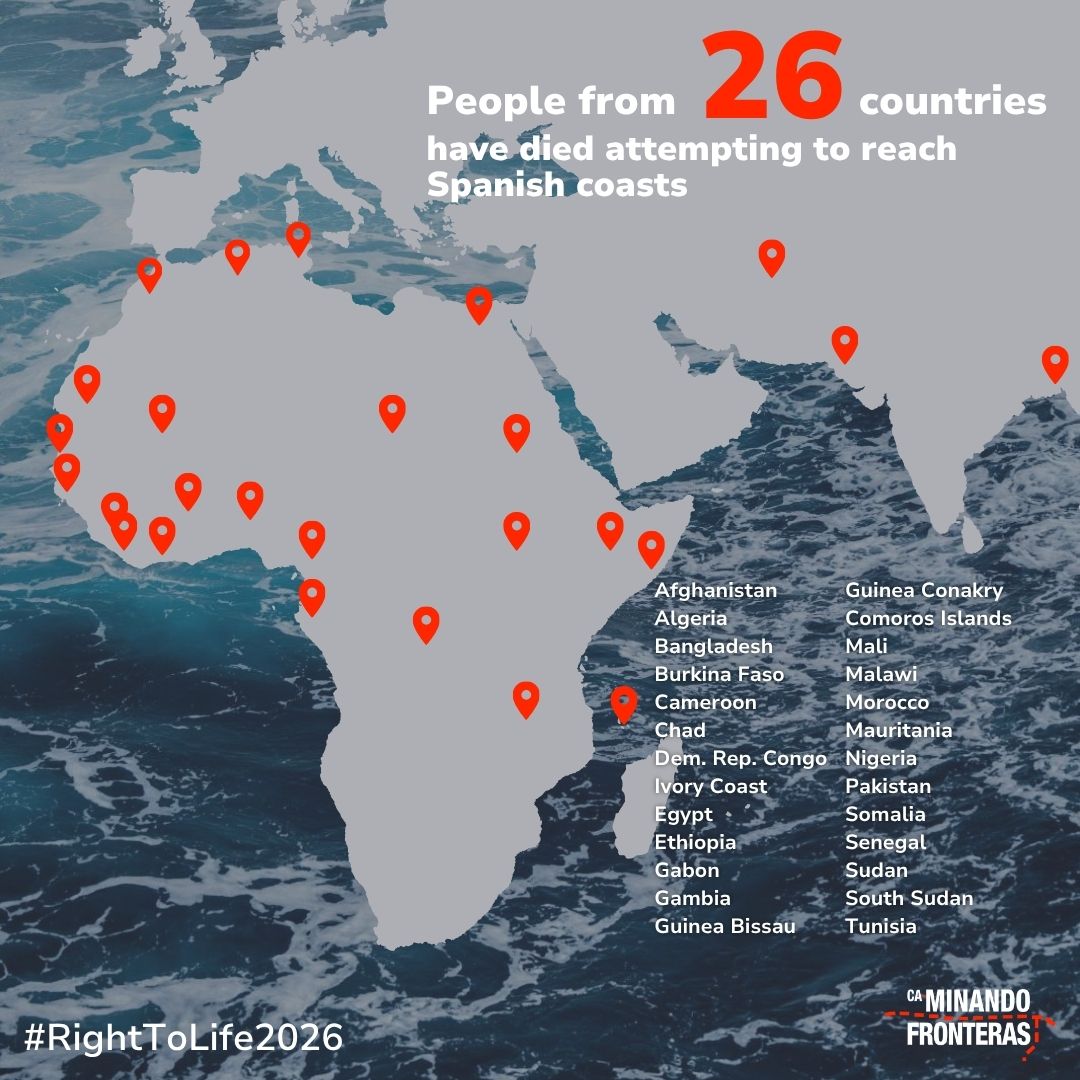
1,317 people have died trying to reach the Spanish coast in the first five months of the year.
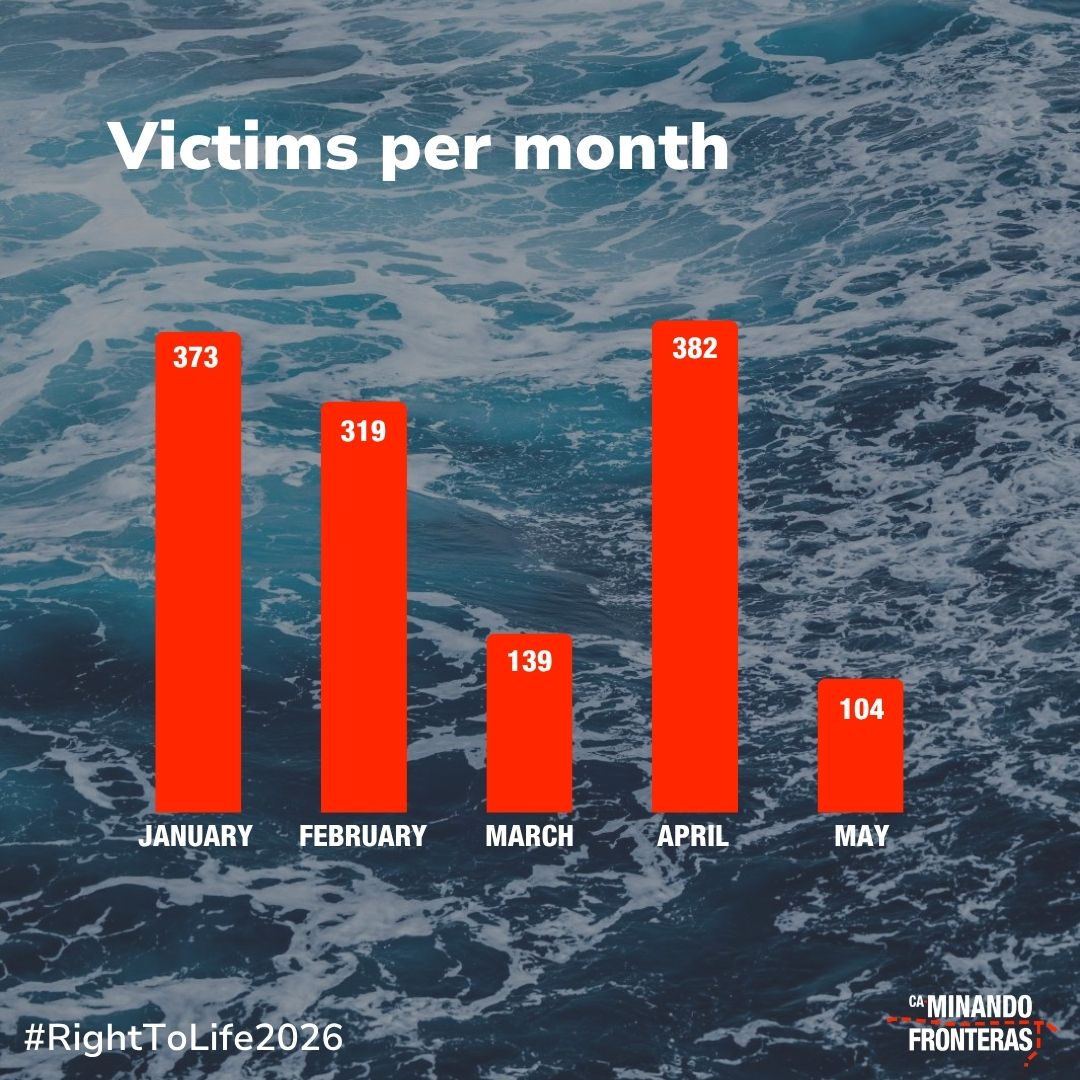
Today, 10 June 2026, the Caminando Fronteras Collective has presented the figures on tragedies for the first five months of the year within the framework of the Human Rights Observatory.
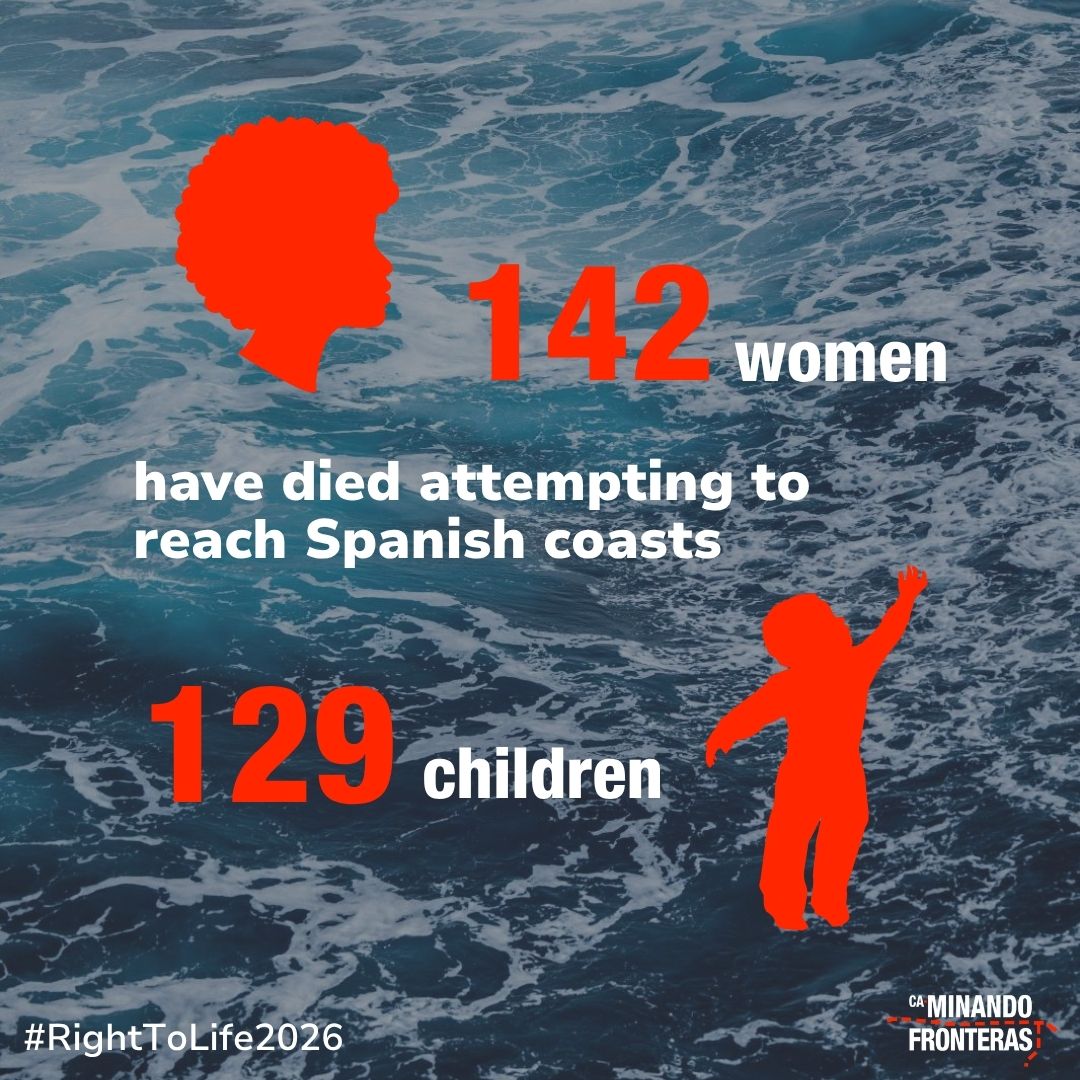
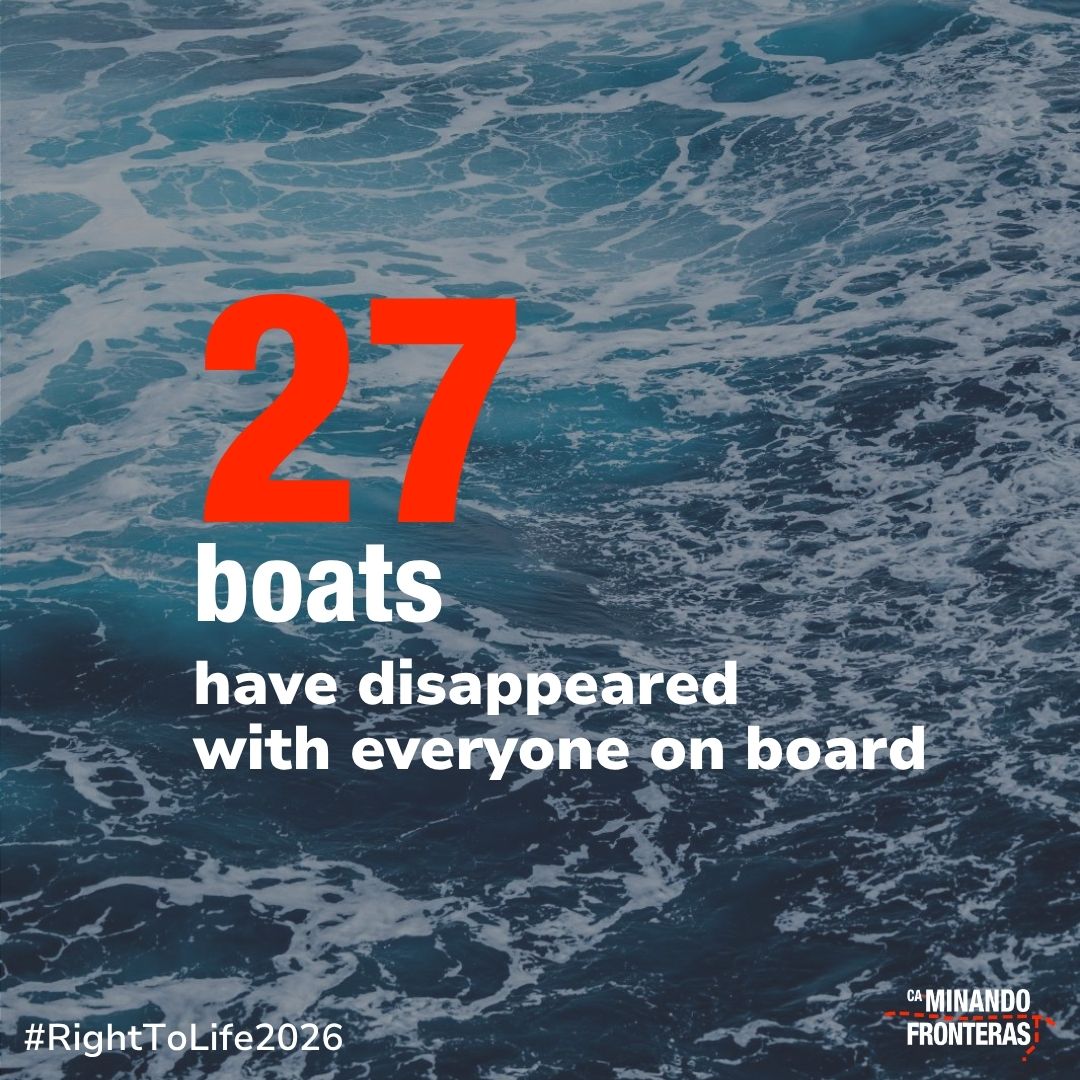
From 1 January to 31 May 2026, 1,317 people have died, 142 were women and 129 were boys and girls under the age of majority. During these months, 27 vessels have disappeared with all people on board.
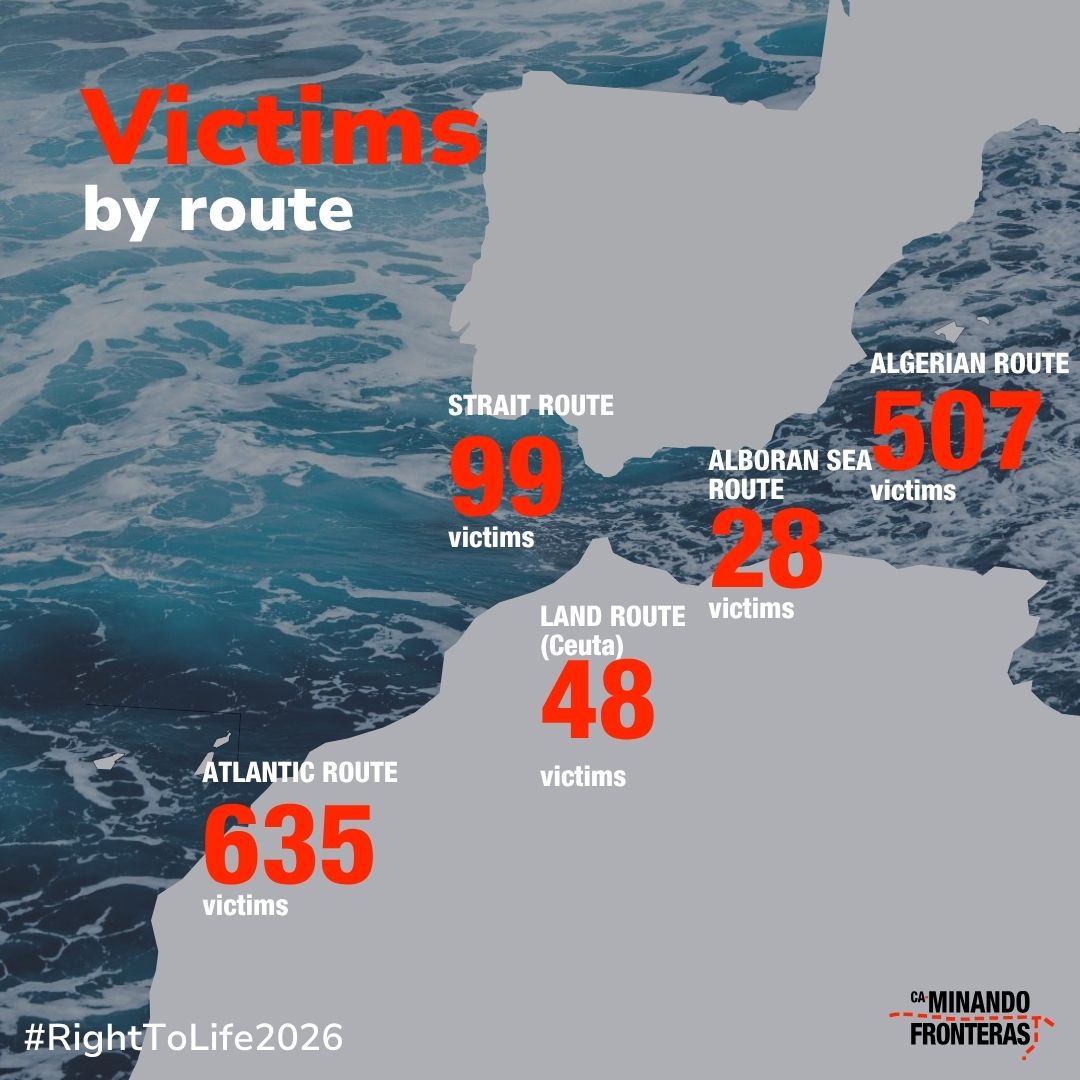
The Atlantic route to the Canary Islands continues to be the deadliest route on the border, with 635 victims. These figures show that, despite a 72% drop in arrivals, the route has become more lethal. For every 100 people who arrived in 2025, around 14 died. In 2026, that figure rises to 21.
The Algerian route in the western Mediterranean accounts for the highest number of tragedies in the period analysed and exceeds 507 victims for the first time, 54% more than in the same period of the previous year.
Both the Strait route — crossing by swimming towards Ceuta, mainly — and the land route over the Ceuta fence have significantly increased the number of victims compared to the same period in 2025. The Strait route has doubled the number of victims, rising from 52 to 99 in 2026. At the Ceuta fence, 48 people have died during these first five months of 2026.
The Alberán Sea route has the lowest volume of documented cases of all the migratory routes analysed, although the data reflects an increase in the number of victims and tragedies compared to the previous period. 28 deaths have been recorded on this crossing, from swimmers heading towards Melilla and from shipwrecks involving inflatable vessels heading towards the Andalusian coast.
The main factors identified as contributing to this increase in mortality on migratory routes are:
- Lack of mobilisation of search and rescue resources.
- Discretionary criteria for determining when and how to deploy rescue assets.
- Uneven application of protection protocols depending on the territory.
- Insufficient mobilisation of air and maritime resources.
- Inadequate coordination between countries.
- Significant delays in launching rescue operations.
- Use of violence at departure checkpoints and on board vessels.
- Extreme physical conditions and poor quality of the vessels used.
Download our DALV Monitoring Report – First Five Months of 2026 in English and, at the bottom of the post, in Spanish.