

Over the course of this year, the migration reality in Ceuta has been marked not only by sea crossings carried out in precarious conditions, but also by the rise in the number of people climbing over the fence that separates the autonomous city from Morocco. Since 2022, the year of the Nador-Melilla massacre, no such volume of fence crossings had been recorded in either of the two cities bordering the Alawite kingdom.
Those who use the fence as a way into the Spanish State come from countries in conflict—mainly Sudan, Mali and Chad. They are very young and have endured long migratory journeys during which they have suffered serious human rights violations.
Sea crossings, however, have not stopped. The breakwaters of Benzu and Tarajal beach remain the main arrival points. Most of the people who attempt these routes are also young men, many of them minors, mostly from Morocco and Algeria, although there are also people from Senegal, Sudan and Guinea-Conakry. In the best of cases, they enter the sea wearing wetsuits, but most do so with no protection from the cold and with extremely precarious flotation devices. They cross when conditions are at their worst: with strong easterly or westerly winds, in fog, or under a new moon. Some swim for up to twelve hours. Others never arrive.
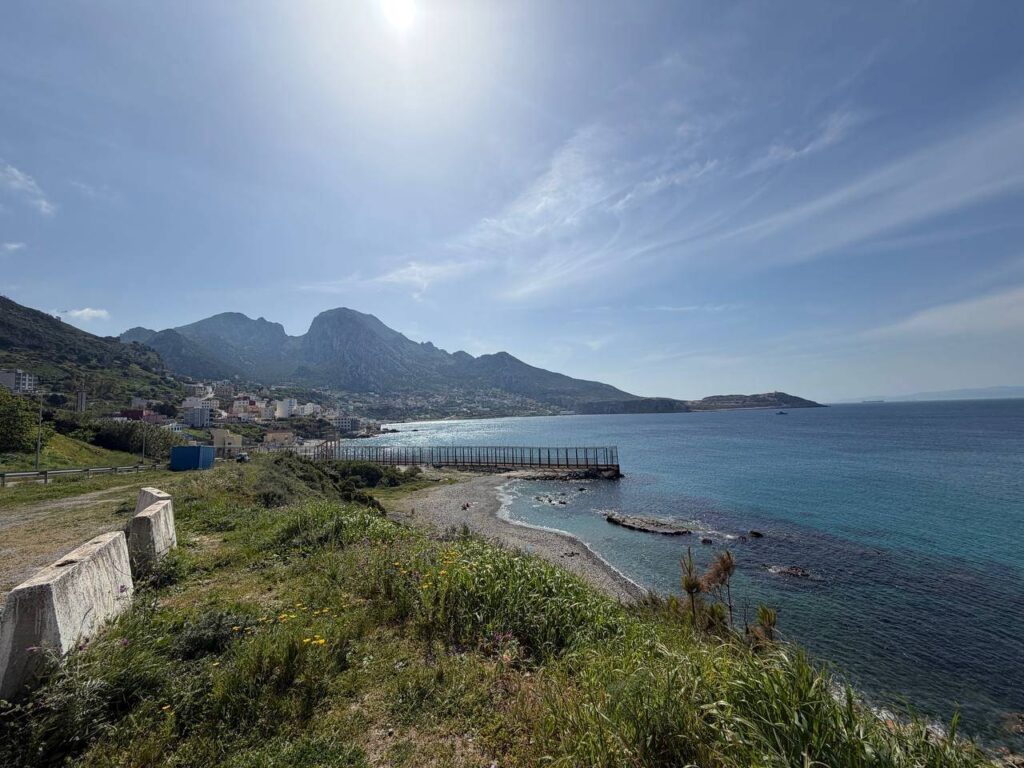
These conditions, both in sea crossings and at the fence, have led to numerous human rights violations: hot returns of asylum seekers, minors and even people with serious injuries. But the most painful reality is the constant and unacceptable loss of human lives.
So far in 2026, 18 bodies have already been recovered along the coast between Morocco and Ceuta, and other young people remain missing.
Last year, the cemeteries of Sidi-Mbarek and Santa Catalina received dozens of unnamed burials. For families searching for their loved ones, identifying a relative becomes a path of bureaucratic obstacles: they cannot travel to Ceuta because they do not have visas, and it is extremely difficult to take DNA samples in their countries of origin. Meanwhile, numerous burials take place without any family present, and the right to truth and to mourning is suspended.
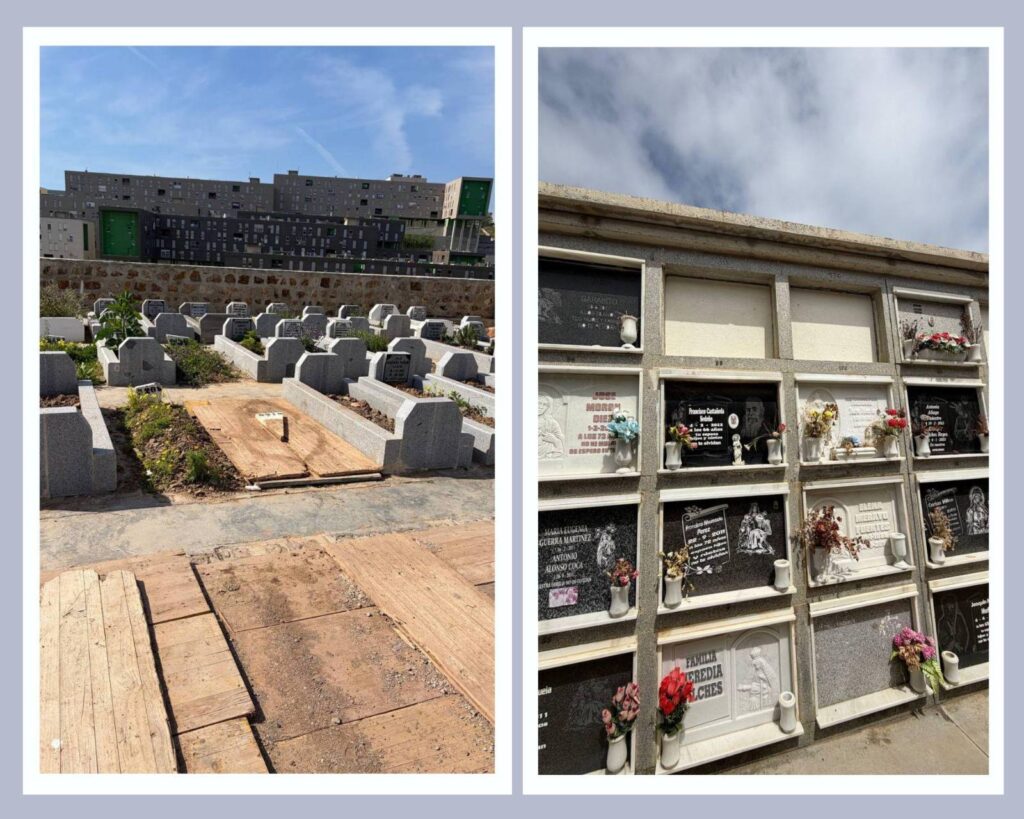
During these months, our organisation has been able to document these human rights violations and to stand alongside the victims. That is why building networks with the organisations and administrations of Ceuta is vital in order to achieve processes of reparation and justice. Sustaining the work with grassroots organisations operating on the ground and with the various administrations involved in the management of disappearances, identifications and burials is essential in order to accompany the victims and their families.
Organisations such as Asociación Elín support those who have crossed into the autonomous city in their full recovery from the violence suffered throughout the migratory journey.
Special mention also goes to the work of the newspaper El Faro de Ceuta, which has become a reference point for the families of those who have died or disappeared in migratory contexts, providing essential public-service information at moments when families cannot access the autonomous city.
We find a willingness to cooperate in many public administrations, but we also encounter the same long-standing gaps: there is a lack of shared protocols, a lack of coordination between police forces, consulates and administrations, and, above all, a lack of an approach that places victims and families at the centre.
That is why, from Caminando Fronteras, we continue to demand:
- That safe routes be made available so that searching families can access Ceuta.
- That DNA samples can be collected in countries of origin with all guarantees.
- That missing-persons reports can be filed remotely.
- That every recovered body be treated with the dignity and urgency it deserves.
Searching for someone who has disappeared at the border should not be a privilege, it is a right.