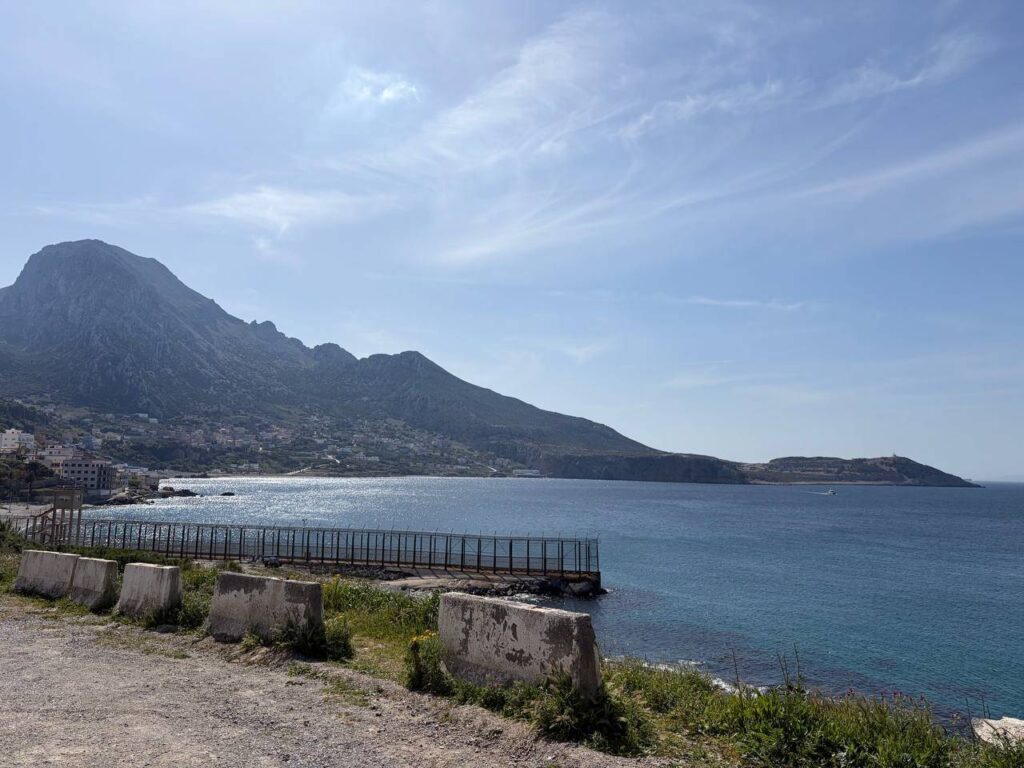
Thousands of people attempted to cross the maritime border separating Ceuta from Morocco. They did so by swimming, in extreme conditions, many of them without adequate equipment, risking their lives on an increasingly deadly crossing.
The confirmed death toll as of 11 August 2026 is devastating: 145 people have lost their lives. Dozens more people remain missing.
At Caminando Fronteras, we have spent years documenting what happens at this border. We know that those who attempt to cross the sea at Ceuta are, in their majority, young people, many of them minors, making the situation of children particularly worrying. The victims are not an anonymous mass; they are people with names, families, stories and dreams.
We also know that many of those who have died are buried in cemeteries without their families being present, without identification, without the possibility of receiving a burial in accordance with their beliefs. The lack of political will to recognise the victims means that families face administrative obstacles that end up violating their rights.
This is not an unforeseeable situation — it is the consequence of years of migration policies that prioritise the control of migration flows over the protection of people. It is the result of dehumanising policies that treat migration as a bargaining chip and means of blackmail between States.
That is why, from Caminando Fronteras, we demand:
That procedures be guaranteed to allow families who are searching to find and identify their loved ones. Families cannot be left without answers. The State has the means to identify the victims; what is lacking is the political will to do so with urgency and transparency.
That the victims be offered a dignified burial and that their families be able to say farewell in accordance with their beliefs and religion. Dignity in death is non-negotiable. Every person who has died deserves to be buried in accordance with their family’s wishes and the dictates of their faith.
That the vulnerability of the families be taken into account in order to guarantee their rights and those of the victims. Many of the families searching for their loved ones do not have the resources to travel, do not have visas, and do not speak the administrative languages. Procedures must adapt to their reality, not the other way around.
Our thoughts are with the 145 people who have lost their lives, with those who are missing, and with their families. We stand with the mothers and fathers waiting for news. With the brothers and sisters who do not know whether their family member is alive. With the communities mourning their young.
No one should die for crossing a border.