

From 9 to 11 September, in Las Palmas de Gran Canaria, we took part in the continuing training sessions of Spain’s General Council of the Judiciary (CGPJ), “Immigration: The European Union Pact on Migration and Asylum and its impact on national legislation”. We brought into the room what the Pact leaves out: the rights of border victims and of the families searching for them.
The sessions examined how the EU Pact on Migration and Asylum will be implemented in Spain and what its consequences will be. Our contribution was part of the round table “Guaranteeing the protection of human rights at the border”, with the presentation “The rights of victims in migration contexts: families as rights holders and agents of change”.
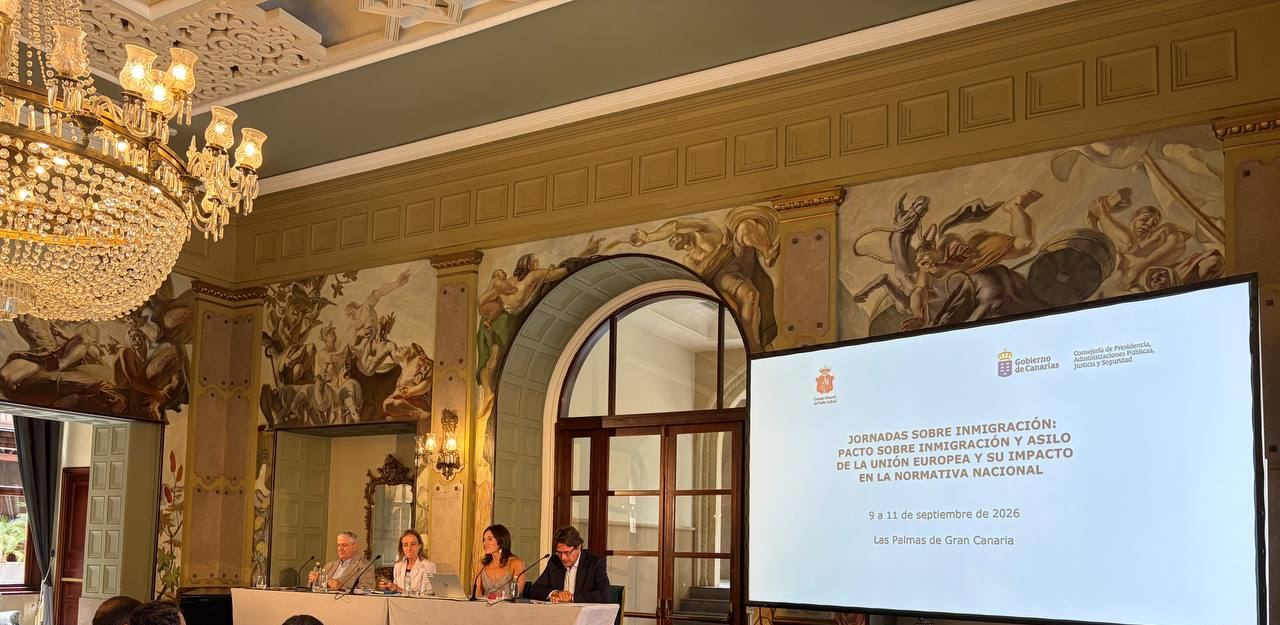
The Pact does not recognise victims or their rights. That is why we chose to focus on the people it never mentions: those who have died or disappeared on migration routes, and their families. Today these families are the ones driving change at the borders. They are organising, demanding that their loved ones be recognised, and claiming the rights they are entitled to.
We began with what happened in Ceuta at the end of July, when the protocol for incidents with multiple victims was applied for the first time. We looked at how applying this protocol affected coordination among everyone involved in identifying the victims, from the judicial authorities to the State security forces.
We also spoke about the dehumanisation caused by denying their rights to people who have died or disappeared and to their families. When families cannot access truth, justice and reparation, they suffer macro-victimisation: on top of the harm of their loss comes the harm done by the system itself. This discussion also opened the door to exploring restorative justice processes.
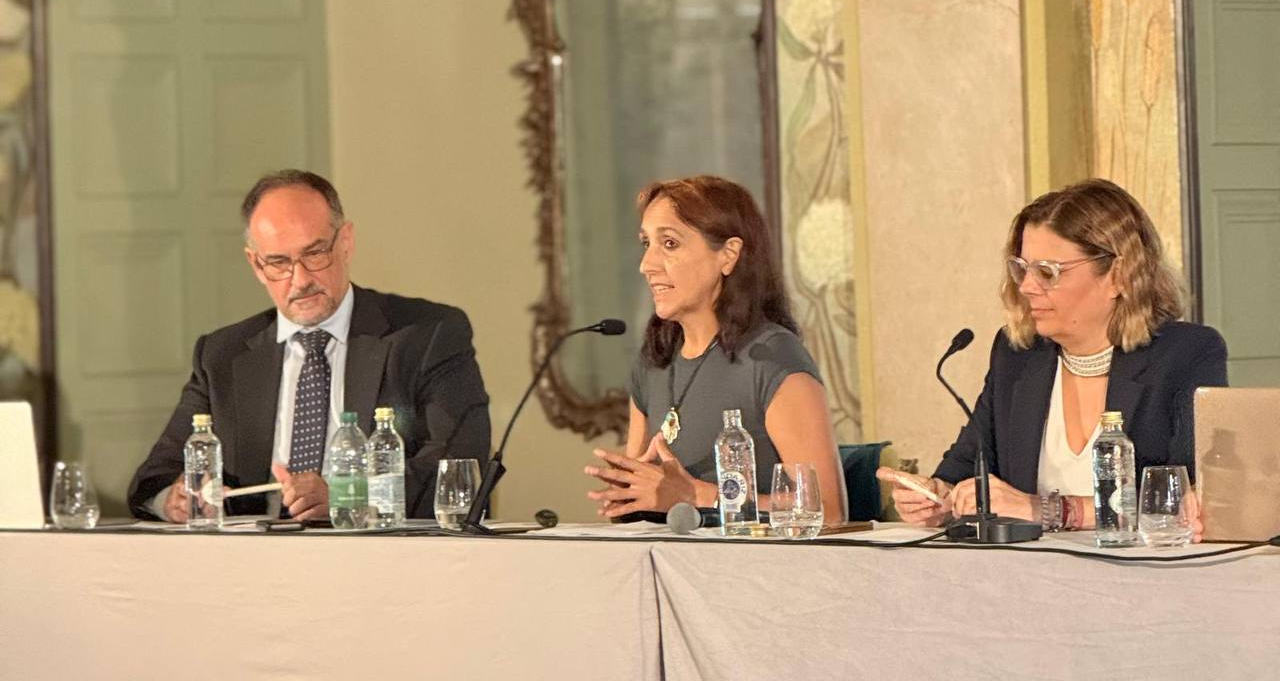
The Pact may not include them, but international human rights law does protect victims and their families. We based our presentation on the General Comment of the UN Committee on Enforced Disappearances on enforced disappearances in the context of migration. Using concrete examples, we showed how these rights are systematically violated:
- Families are denied access to effective judicial protection.
- Investigations are neither thorough nor effective.
- The authorities do not open investigations on their own initiative, so the entire burden of the search falls on the families.
- Filing a complaint and providing DNA samples remain very difficult.
We explained how families organise and, from the cases we are litigating, we shared recommendations to the judges to make access to justice and rights possible.
It is essential that judges listen to civil society organisations. These encounters allow us to share knowledge and convey the daily reality of migrants and their families. They also show the role the judiciary can play in ensuring that the families of border victims finally have access to justice.