

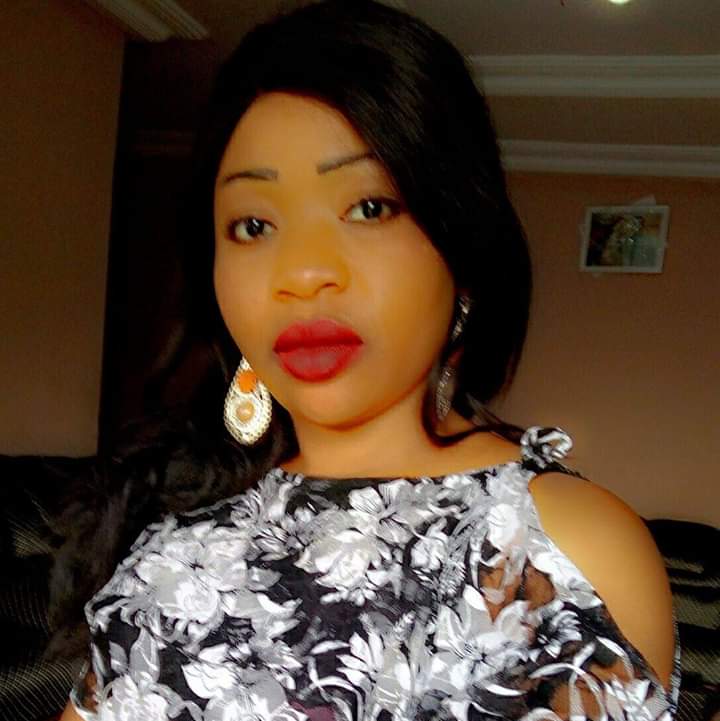
According to the information available to the family, she would have embarked on a boat with her uncle, Ousman Touré. Their family has been looking for them, without being able to confirm whether they could have lost their lives in a tragedy.
Archives: Víctimas
Ousman Touré
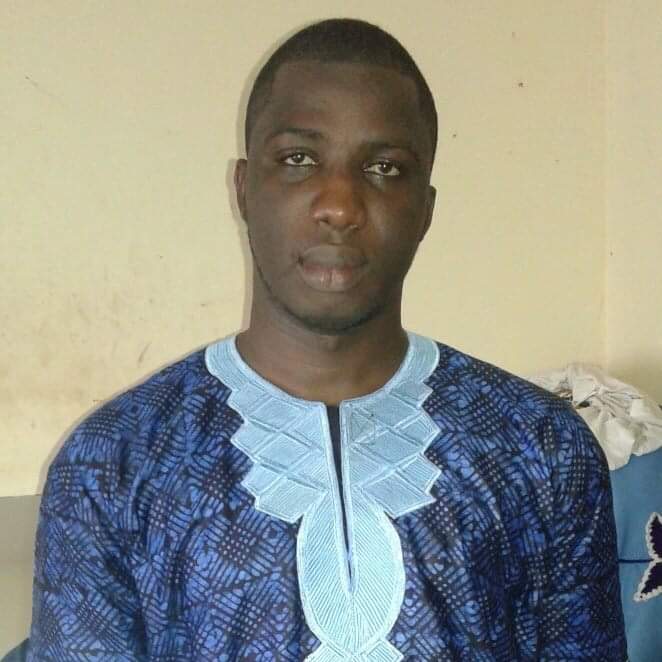
According to the information available to the family, he would have embarked on a boat with his niece, Nesta Savane. Their family has been looking for them, without being able to confirm whether they could have lost their lives in a tragedy.
Boubou Sylla
The young Ivorian was travelling in a boat with his brother and 57 other people. After being shipwrecked, the rescued survivors were taken to Melilla and Motril. His brother searched in both cities, without having found him to date.
Serif Mane

Serif Mane is Gambian. He disappeared somewhere between Tan tan and Dakhla on 7 August 2018. His family has been looking for him ever since.
Babacar Ndiaye
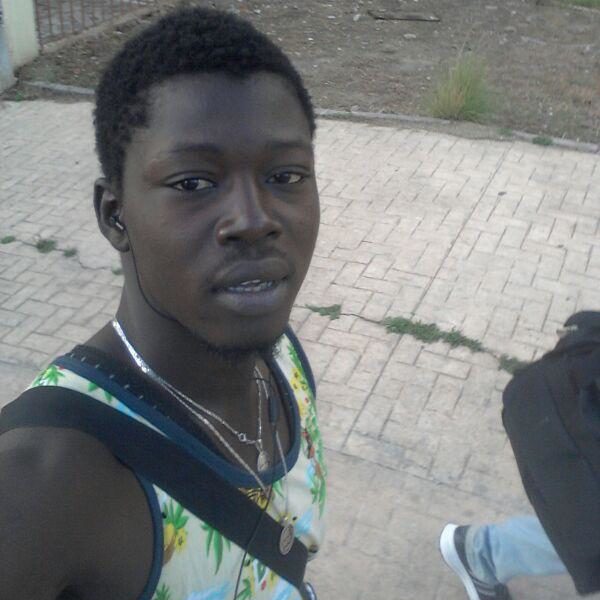
He left Morocco at midnight with thirteen people on board. He was twenty-six when he disappeared. His brother is still looking for him.
Larisa
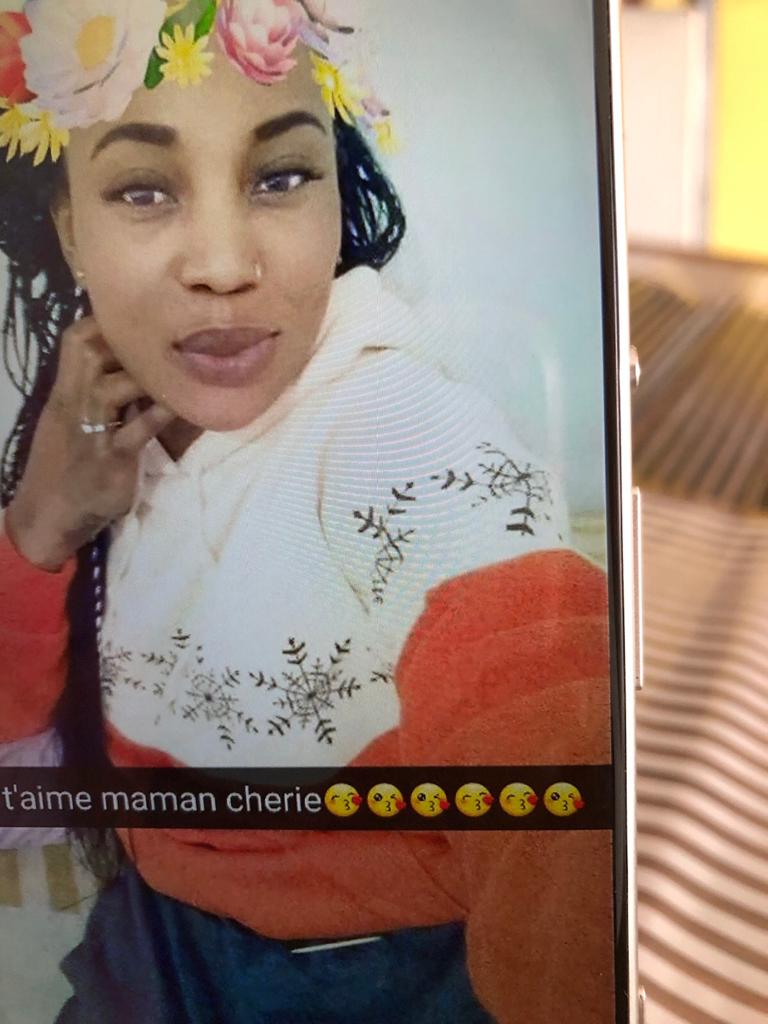
Larisa was the smallest of all the siblings. She worked as a hairdresser in the Ivory Coast and her personal ambitions made her travel to Morocco to try her luck. Her presence made people nickname her “little star”, because wherever she went she surrounded herself with many friends. They define her as affectionate and sociable, although they also highlight her great character: “there was no way to make her change her mind,” they declare.
Veronique Kabamba
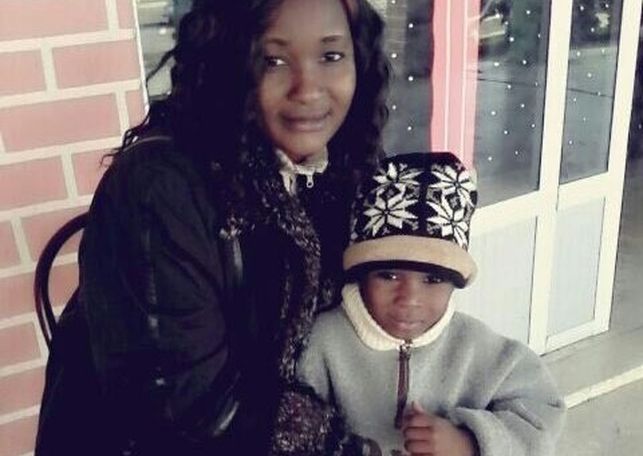
Woman of Congolese origin whose body was found on the Algerian coast. She was traveling with her son Samuel , whose body was found on the beach in Barbate (Cádiz, Spain). Veronique had applied for a visa on several occasions to treat her cancer in Europe, as well as to treat Samuel for the heart problems he suffered. After having it denied, she was forced to risk her life in a boat with her little one child.
Get to know hier story and her family’s fight for justice in depth: “Little Samuel”
In press: https://www.eldiario.es/desalambre/menor-patera-estrecho-cadaver-Barbate_0_607189473.html
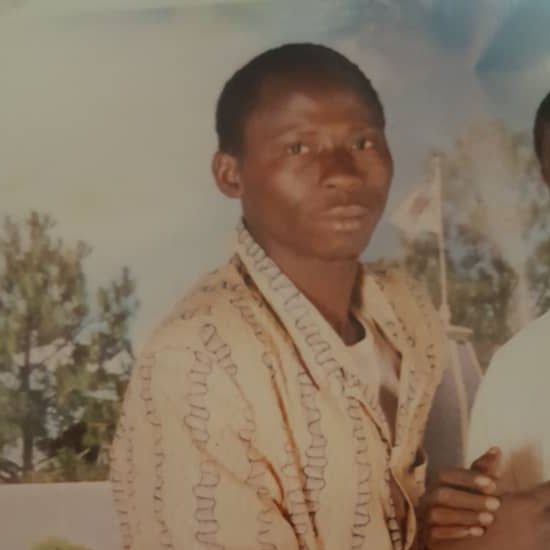
Mamadou Bobo Balde
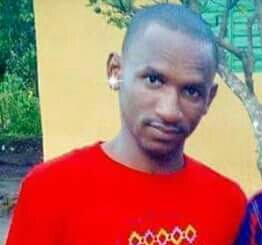
He was in Tangiers. It is unknown exactly when he disappeared or if he ever boarded a boat.
Ndenkou Audrey Dave

Residing in the Moroccan capital, his aunt remains in suspense years later, not knowing what happened to her nephew Dave, nicknamed “Ismaël” by his travelling companions.
Alpha Abdoulaye Bah
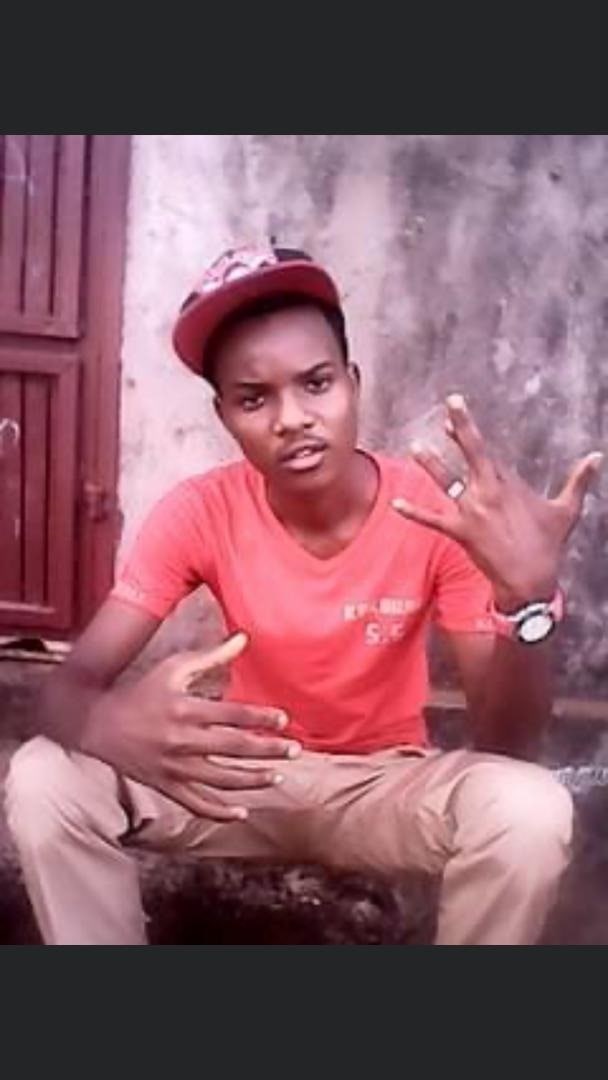
He was in the city of Ghardaia (Algeria) and informed his family of his intention to go to Morocco. They have been looking for him ever since.
Armand Ferdinand Souop Tagne
A 23-year-old man, his family defines him as a very intelligent boy who excelled in studies. At noon on February 6, 2014, his parents received a call informing them of his death. He was a victim of the Tarajal tragedy. Armand’s body was the only one of the fourteen victims that managed to be repatriated to his home country from Morocco, thanks to the efforts of his father.
You can learn more about his story in our documentary “Tarajal: Transformar el dolor en Justicia”
Aboubakar Oumarou Maiga
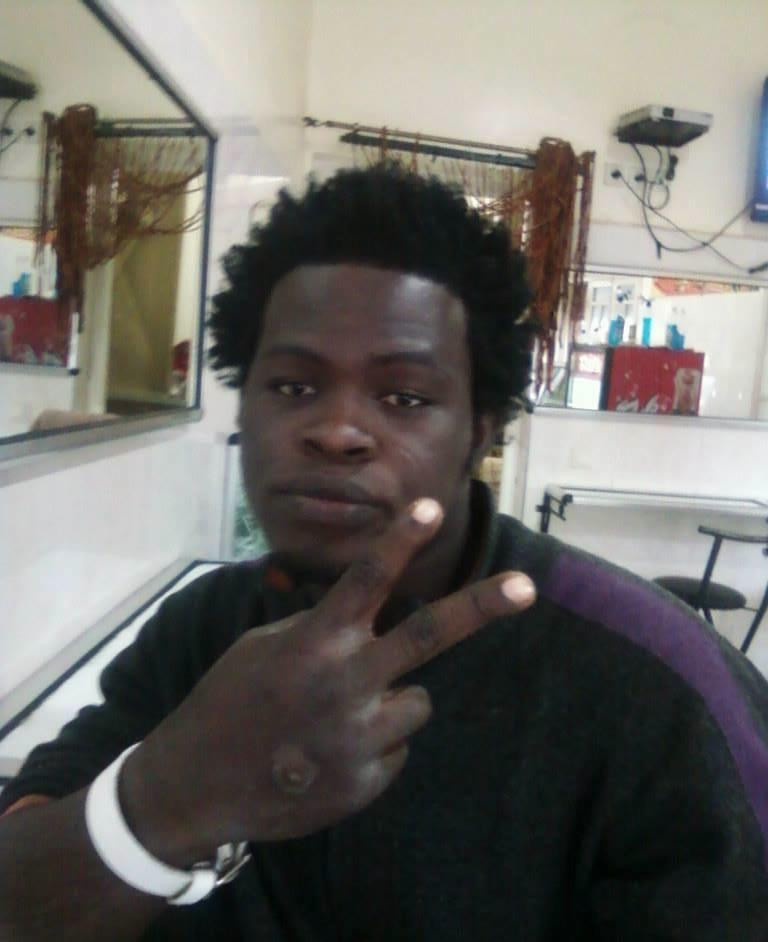
Before leaving, he worked in the laundry in his city, Douala. He left to help his family, with the goal that his little brothers and his mother could live well. Victim of the Tarajal tragedy, he drowned trying to reach Spain after being received with riot gear by the Spanish authorities. His body was buried in Morocco, but his family doesn’t know where yet.
You can learn more about his story in our documentary “Tarajal: Transformar el dolor en Justicia”
Bikai Luc Firmin
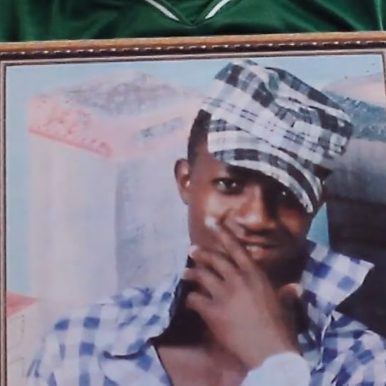
The Christmas before he died, his father promised to open the way with his prayers when Bikai confessed his intention to leave the country. After losing his life in the Tarajal tragedy, his family celebrates a mass in his memory every year. A way of reminding him in front of the pain of not knowing what was done with his body, where little Bikai ended up.
You can learn more about his story in our documentary “Tarajal: Transformar el dolor en Justicia”
Bilong Yves Martin
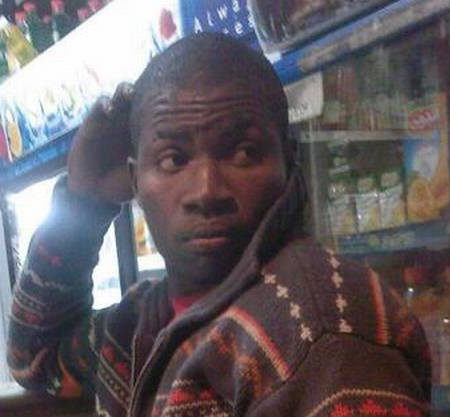
Roth, as he was nicknamed in his hometown, focused on playing soccer after high school. He actually wanted to leave to be a footballer. Upon arriving in Morocco, he said that he would live there with small jobs and continue to play soccer. On February 6, 2014, his friends called the family stating that “he had been shot”. To his parents’ surprise, they were able to recognize his dead son on television shortly after. Bilong was a victim of the Tarajal tragedy. Even if his body is far away, they made a symbolic grave for him in his hometown to honor his memory.
You can learn more about his story in our documentary “Tarajal: Transformar el dolor en Justicia”
Samba Baya

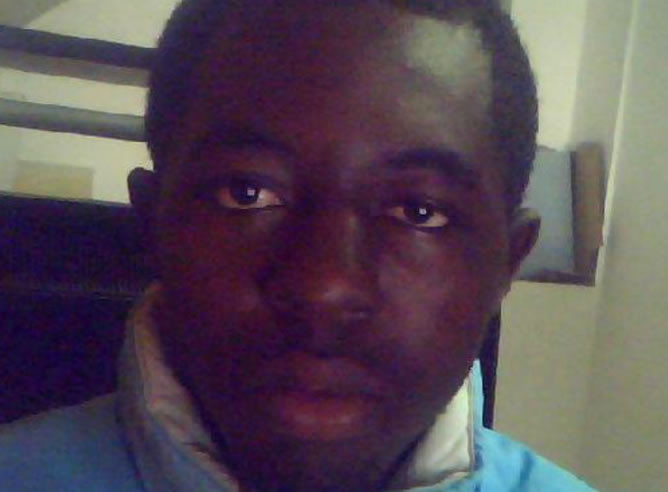
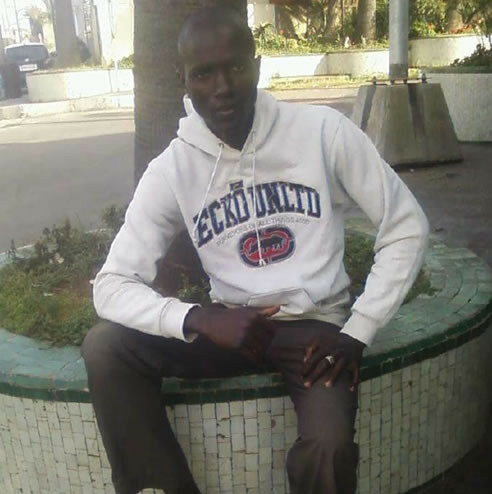
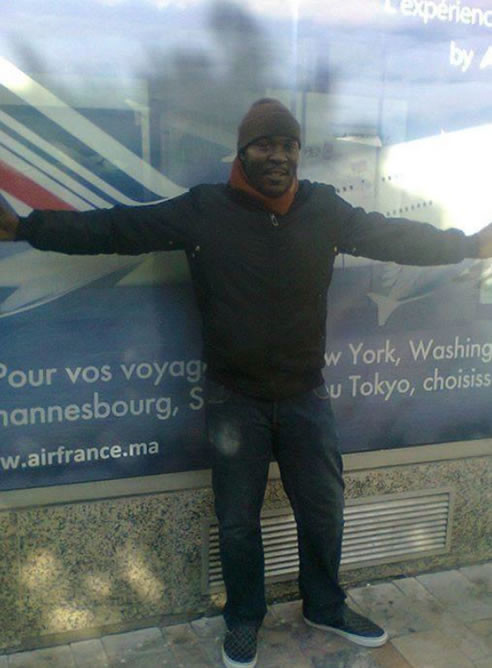
He felt that he could not help his family enough in their difficult situation, he worried about his parents, who were too old to continue working in the fields. Seeing that young people like him managed to improve these situations, he decided to leave after his mother gave him her blessing. It was the last time they saw him, after he died in the Tarajal tragedy. His father angrily points to the responsibility of the Spanish Government for the death of Samba. “There is nothing that can make up for the pain of the loss,” he argues.
You can learn more about his story in our documentary “Tarajal: Transformar el dolor en Justicia”
Ousman Hassan
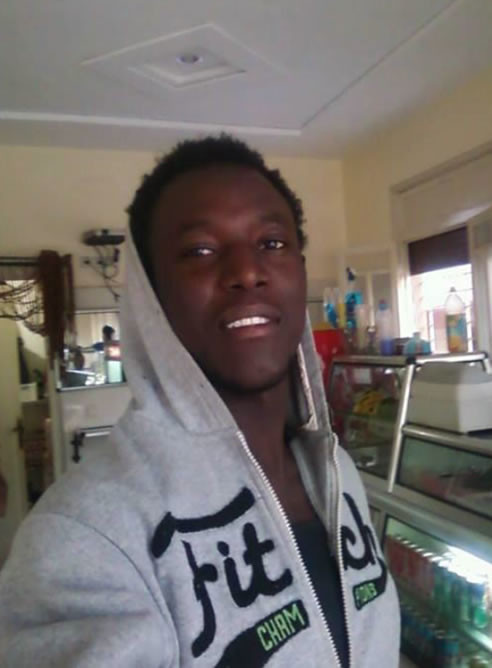
He was engaged in sewing before leaving, he had great qualities for it. However, he decided to migrate thinking that if he was able to build another life, he would be able to gradually change his family’s life. He considered that the money he earned sewing, a job he learned after school, was not enough to continue studying and help his brothers. Ousman died in the Tarajal tragedy and since then his family mourns him. “It hurts not to be able to bury your loved one with dignity,” they repeat in pain.
You can learn more about his story in our documentary “Tarajal: Transformar el dolor en Justicia”
Nana Roger Chimie
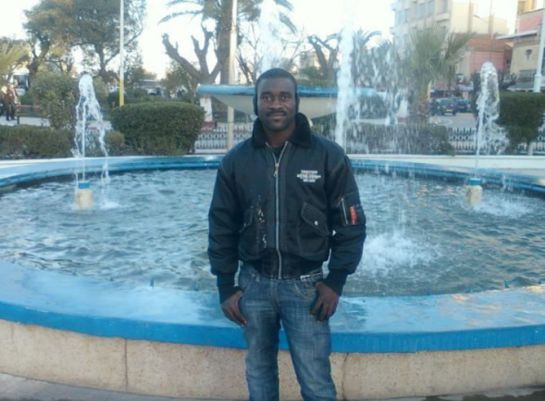
His older sister took care of him like a son, getting him, the little one, to go to elementary school and high school. One day, she herself received a call from abroad, they told her that her brother had died trying to swim to Spain. Roger was a victim of the Tarajal tragedy, a Spanish beach where he had been received with riot gear by the Spanish authorities. Since then, he is mourned in his hometown.
You can learn more about his story in our documentary “Tarajal: Transformar el dolor en Justicia”
Larios Fotio
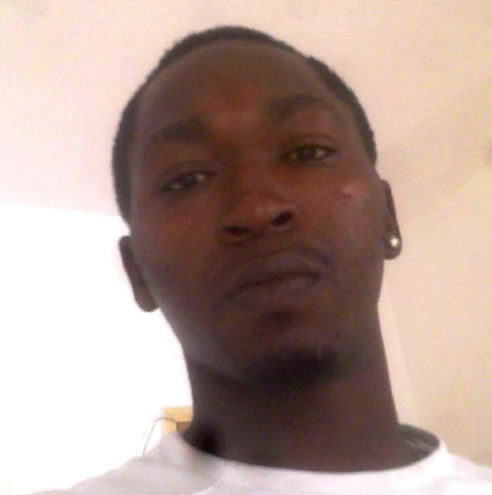
One day, Larios set out to see his older brother to tell him that he would like to go to university, where he had not been able to go due to his mother’s lack of financial means after the death of his father. He believed that the best thing would be to fight for his future, so he decided to leave. Like when he was a child, his family remembers him as a fighter and attentive person. After losing his life in the Tarajal tragedy, his family still does not know where his body is. They urgently demand to be able to identify his loved one and visit his remains to close the wound.
You can learn more about his story in our documentary “Tarajal: Transformar el dolor en Justicia”
Daouda Mahatma
His family remembers him as a very hard-working and courageous person. He studied and worked at the same time. Before attempting to cross into Spain, he called his aunt, his mother, and his brother to pray for him. It was the last time they spoke to him. Some boys who knew him called the family to confirm that Daouda had died. He was a victim of the Tarajal tragedy. Subsequently, the Cameroonian ambassador to Morocco promised to bury him in peace and sent a photo of his burial.
You can learn more about his story in our documentary “Tarajal: Transformar el dolor en Justicia”
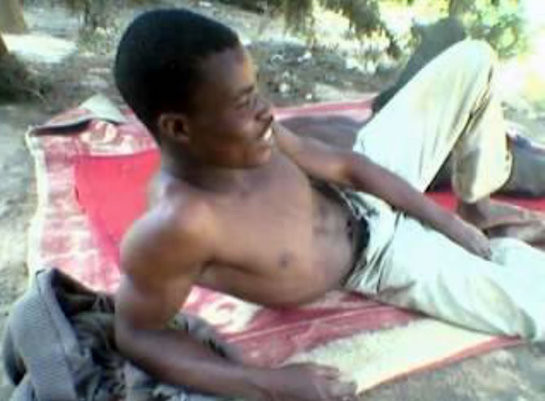
Abdoulaye Seck (Elhaj)
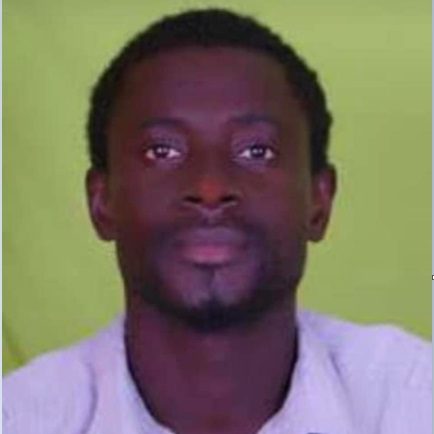
He left Tangiers in 2013 and has been missing since then. His brother is still searching for him. They haven’t heard from him ever since.