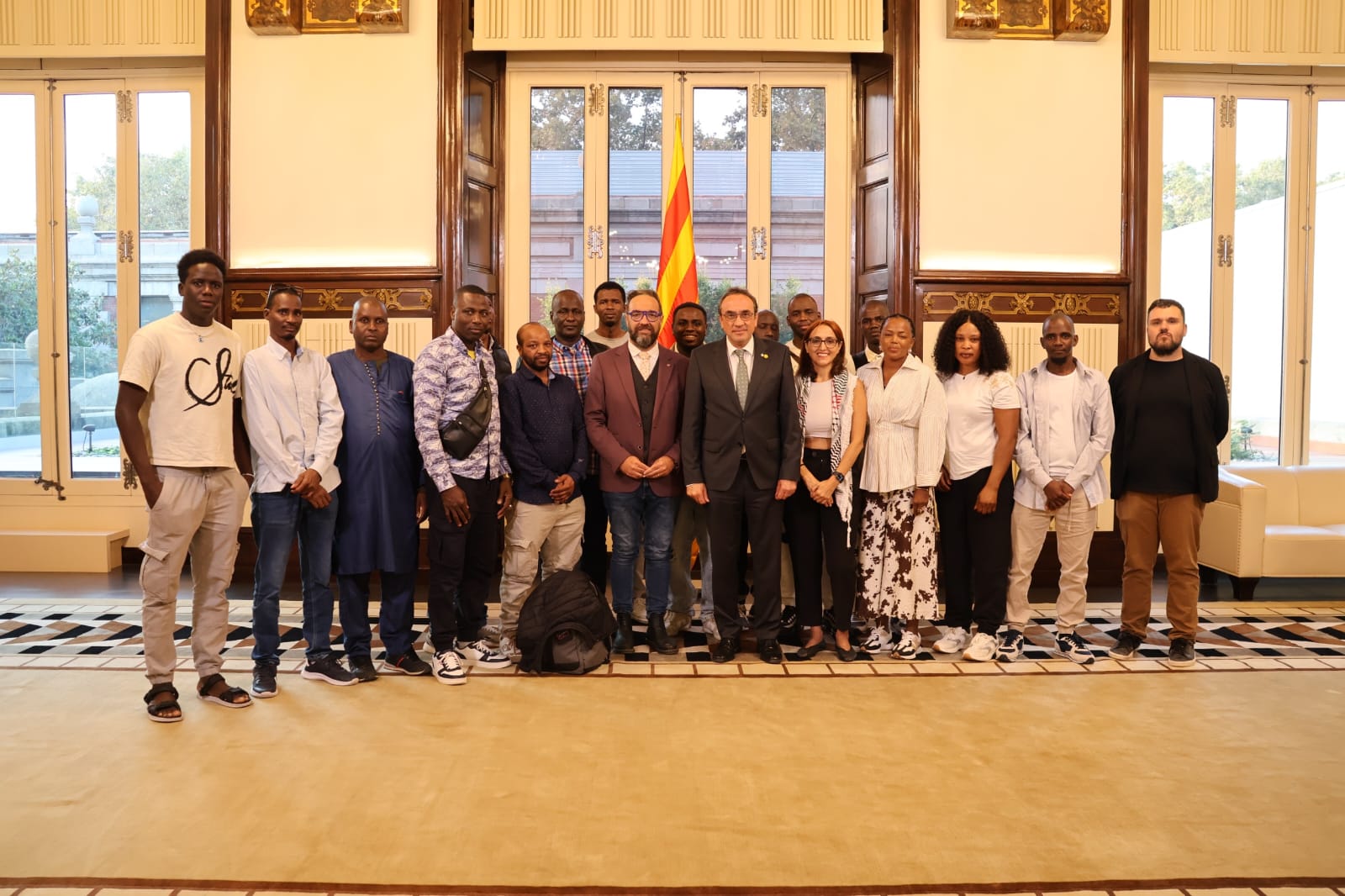
For the first time, a parliament in the Spanish State has honoured the memory of people who died or disappeared at the borders, holding a meeting to listen to and recognise their families. On 14 October, the Parliament of Catalonia welcomed Catalan families who have lost their loved ones on the migration routes to Spain.
The families, accompanied by Caminando Fronteras, were received by the President of the Parliament, Josep Rull. They then met with the Chair of the Committee on Justice and Democratic Quality, Andrés García Berrio, and with other members of parliament, who heard first-hand their stories, their pain and the obstacles they face every day.
This gesture carries enormous symbolic and political weight. Until now, the families of victims of the borders had been invisible to institutions. Yesterday, for the first time, they took centre stage in a legislative chamber and were heard for who they are: Catalan families searching for their loved ones and demanding their rights.
It was an act of recognition, support and reparation of pain. During the meeting, the families described the difficulties they face in accessing justice and finding out what happened to their relatives. They spoke about the obstacles to filing reports, providing DNA samples and getting the authorities to actively search for their loved ones. They also pointed out that these administrative barriers stem from racist biases that prevent the rights of victims from being respected.
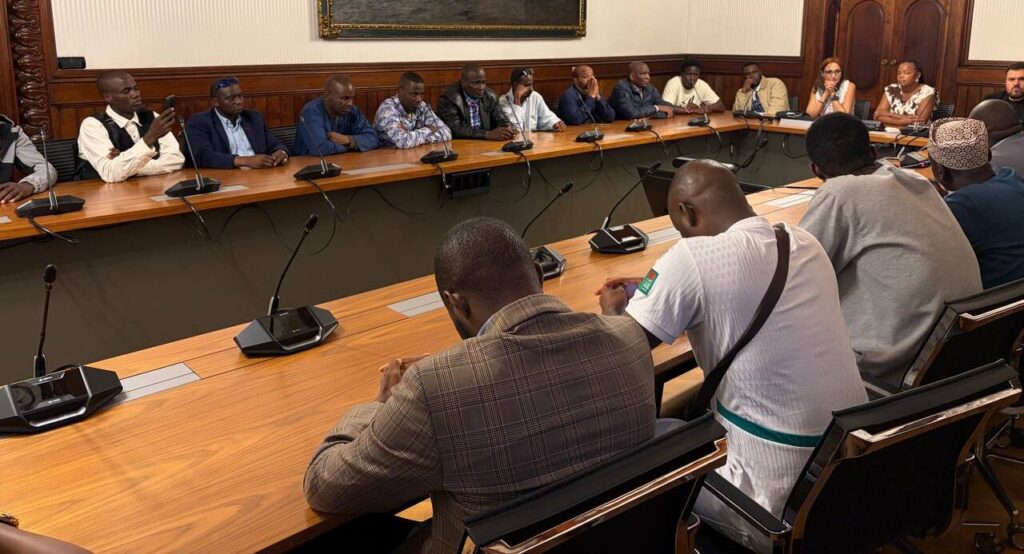
Some especially painful testimonies were shared. In several cases, the families themselves had pre-identified their deceased relatives in morgues. Even so, the graves remain unnamed and the families still have no official answer about the identification. They explained that they had not been able to say goodbye with dignity or bury their loved ones according to their religious beliefs.
On top of the loss comes a new wound: the one inflicted by a system that gives no answers and forces families to search alone. An endless grief, because many of them will never have a body to bury or a grave to mourn at.
The families do not speak of missing people. They speak of broken families.
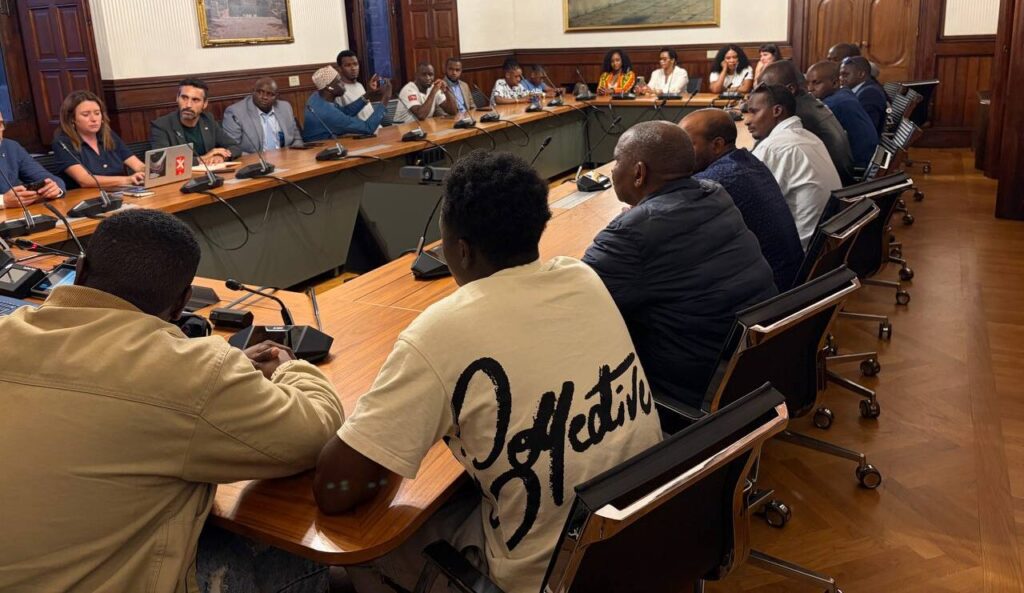
At Caminando Fronteras, we believe this act is a first step that should be replicated in other regional parliaments and in the Spanish Congress of Deputies, as a measure of truth, justice and reparation for the victims and for the families searching for them.
The families of victims of the borders cannot continue to be discriminated against compared with other groups of families of missing persons. They have the right to the same treatment, the same respect and the same dignity. To make this happen, public administrations must get involved and accompany them in their search. That means making it easier to file reports and provide DNA samples, guaranteeing that cases are investigated, and ensuring that no one is buried without a name while their family is searching for them.
The families have spent years organising, searching and demanding answers. Yesterday, at the Parliament of Catalonia, their voices were finally heard within the institutions.